
A practical guide to traffic sign maintenance, cleaning methods, and knowing when a sign has reached the end of its service life.
Dirt, pollen, road grime, and even graffiti build up on traffic signs over time, but that doesn't always mean a sign needs to be replaced. Proper traffic sign maintenance starts with knowing the difference between surface contamination that cleaning can fix and material degradation that cleaning cannot. This guide walks through how retroreflectivity, sheeting grade, and physical condition determine whether a damaged or faded traffic sign should be cleaned, repaired, or swapped out for a new one.
Traffic Sign Maintenance: Common Buyer Questions
- Can a faded or dirty traffic sign be cleaned instead of replaced?
- Yes, in many cases. Road film, dust, pollen, and general grime sit on the surface of the reflective sheeting and can usually be removed with mild soap, water, and a soft cloth without harming the sign underneath. The key is testing the sign at night with headlights or a flashlight after cleaning. If it lights up brightly and evenly, cleaning solved the problem. If it still looks dull or gray, the sheeting itself has likely degraded and cleaning won't restore it.
- How much does it cost to repair a stop sign?
- Cost depends on what's damaged. If the post or bracket is bent but the sign face is intact, hardware repair or replacement is usually the lower-cost fix. If the sign face itself is faded, cracked, bullet-riddled, or has lost retroreflectivity, replacement is the standard approach since sign faces cannot be safely repaired. A new engineer grade stop sign typically starts in the low double digits, while high intensity or diamond grade versions run higher due to stronger reflective performance, with total project cost also including labor and post materials.
- What is traffic signal maintenance, and how is it different from sign maintenance?
- Traffic signal maintenance refers to the electrical and mechanical upkeep of signal lights, controllers, and timing systems at intersections. Traffic sign maintenance is a separate discipline focused on the physical condition and visibility of static signs, things like retroreflectivity, cleanliness, fading, and structural integrity of the sign face and post. Both fall under broader roadway maintenance programs, but they involve different inspection methods and different crews.
- Who is responsible for highway signage?
- On public roads, state departments of transportation and local municipal public works departments own and maintain traffic signs, following MUTCD guidelines for placement, retroreflectivity, and replacement schedules. On private property, such as parking lots, apartment complexes, or commercial sites, the property owner or managing entity is responsible for installing and maintaining signage that meets applicable codes.
- What is sign maintenance and how often should signs be inspected?
- Sign maintenance is the ongoing process of inspecting, cleaning, repairing, and replacing traffic signs to keep them legible, reflective, and structurally sound. Most agencies build a maintenance schedule around periodic nighttime visual inspections to check retroreflectivity, paired with daytime checks for fading, graffiti, and physical damage. Many municipalities inspect high-priority regulatory and warning signs annually and rotate through the full sign inventory over a multi-year cycle.
- How do I know when a sign has reached the end of its lifespan and needs replacing instead of cleaning?
- A sign is past cleaning once the reflective sheeting has visibly chalked, cracked, delaminated, or lost its nighttime brightness even after washing. Sign lifespan varies by sheeting grade: engineer grade sheeting typically has the shortest usable life, high intensity sheeting lasts longer, and diamond grade sheeting is rated for the longest service life under UV exposure. Physical damage such as bending, bullet holes, or missing corners also signals it's time to replace rather than clean.
- Can graffiti be removed from a traffic sign without damaging it?
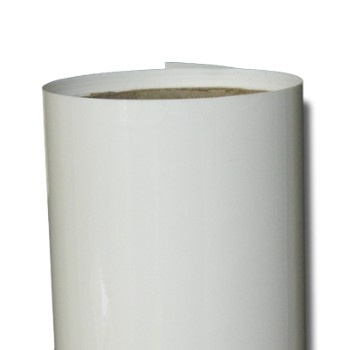
- Often yes. Aluminum sign faces with reflective sheeting can usually shed spray paint and marker without permanent damage if cleaned promptly with appropriate, non-abrasive solvents. For signs in high-vandalism areas, applying an anti-graffiti laminate over the sheeting, like the Avery Dennison Anti Graffiti Transparent Acrylic Laminate, gives future graffiti a smooth surface that wipes clean without harsh chemicals or scrubbing.
Cleaning vs. Replacing: How to Tell the Difference
How Dirt, Fading, and Graffiti Affect Retroreflectivity
Building a Traffic Sign Maintenance Schedule and Inspection Routine
Who's Responsible for Signage, and What to Do When You Spot Damage
Cleaning vs. Sign Replacement: Quick Decision Guide
Use this table as a fast reference when deciding whether a traffic sign inspection finding calls for cleaning, minor repair, or full replacement.
| Sign Condition | Recommended Action | Why It Matters | Typical Cost Range |
|---|---|---|---|
| Light dirt, dust, or road film | Clean with mild soap and water | Restores retroreflectivity without affecting the underlying sheeting | Minimal, in-house supplies only |
| Graffiti or spray paint overspray | Clean promptly, or apply anti-graffiti laminate | Fresh paint lifts off smooth aluminum; laminate prevents repeat vandalism from bonding | $0 for cleaning; $535+ for laminate depending on size |
| Faded color or dull reflective sheeting | Replace the sign face | UV degradation breaks down the reflective structure and cannot be reversed by cleaning | $22 to $260+ depending on size and sheeting grade |
| Bent, cracked, or bullet-damaged face | Replace the sign face | Structural damage compromises legibility and cannot be safely repaired | $22 to $260+ depending on size |
| Bent post or loose mounting hardware | Repair or replace hardware | Improper post height and angle violate MUTCD placement standards | Varies by post type and labor |
| Missing sign | Replace immediately | An absent regulatory or warning sign creates a serious safety and liability gap | Varies by sign type and sheeting grade |
Maintenance and Replacement Products
 Traffic Sign Hardware
Avery Dennison Anti Graffiti Transparent Acrylic Laminate
$535 - $1,070
Shop on Trafficsigns.com

 No Parking Signs
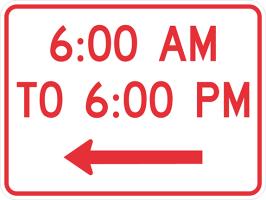
Custom Times of Day (Plaque) Sign - R8-3hP
$21.95 - $58.25
Shop on Trafficsigns.comReady to Replace a Sign That's Past Cleaning?
If a sign in your inventory has failed the nighttime retroreflectivity check or shows physical damage cleaning can't fix, it's time for a replacement. Browse durable, MUTCD-compliant regulatory signs built with the reflective grade your road or property requires.
Shop Regulatory Signs