
Understanding Traffic Sign Clutter and Driver Safety
Common Questions About Traffic Signs and Road Safety
- What causes traffic sign clutter and why does it matter for road safety?
- Sign clutter happens when too many traffic control devices are placed close together, forcing drivers to process multiple messages within a few seconds of travel. Research on driver comprehension shows that most people can only register two or three signs accurately at highway speeds. Beyond that threshold, drivers start missing regulatory instructions or warning signs entirely, which increases crash risk rather than reducing it.
- How does MUTCD guide proper traffic sign placement and spacing?
- The Manual on Uniform Traffic Control Devices sets minimum spacing distances, mounting heights, and legibility standards so signs can be read and understood before a driver reaches the point of decision. MUTCD sign placement rules also limit how many advance warning or guide signs can appear in a given stretch of roadway, which directly supports better traffic sign visibility and driver comprehension.
- What size traffic control sign should I order for my road or facility?
- Sign size depends on posted speed and viewing distance. Standard regulatory signs like the Road Closed Sign are available in sizes from 24 inches by 18 inches for low-speed local roads up to 60 inches by 30 inches for higher-speed arterials. Larger sizes give drivers more time to read and react, which is especially important when a route already has multiple signs competing for attention.
- What material offers the best visibility and durability for traffic control signs?
- Engineer grade sheeting is the standard reflective option and meets DOT and MUTCD requirements at the lowest price point. High intensity sheeting reflects more light back to headlights for improved nighttime legibility, and diamond grade offers the strongest reflectivity for high-speed roads or locations with heavy nighttime traffic. All three grades are available on aluminum blanks across the traffic control signs in our catalog.
- How quickly can I get traffic signs shipped after ordering?
- Most standard traffic control signs, including regulatory and warning signs, ship within a few business days of order confirmation since they are produced on stocked aluminum blanks. Custom sizes or larger quantity orders for municipal projects may take slightly longer, so it helps to confirm lead time before a project deadline.
- Are there bulk pricing discounts for ordering multiple traffic control signs?
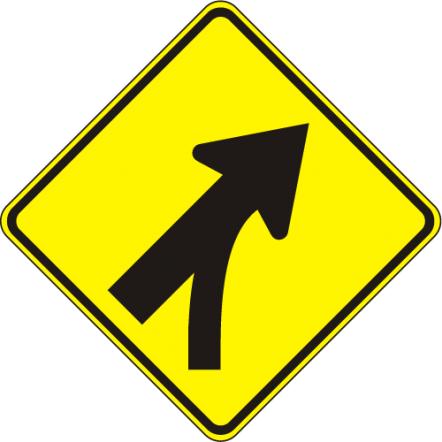
- Yes. Most signs, including items like the Entering Roadway Merge Sign, use tiered pricing that lowers the per-unit cost as order quantity increases, typically starting at four units and continuing through 50 or more. This makes bulk ordering practical for departments replacing multiple signs along a corridor or reducing clutter with fewer, better-placed signs.
- How do I properly install and mount a traffic sign to maintain legibility?
- Signs should be mounted at MUTCD-specified heights, typically 7 feet from the ground to the bottom of the sign on roadways with pedestrian traffic, using pre-punched holes on standard aluminum blanks. Proper post placement and spacing from other nearby signs prevents visual overlap and keeps each sign's message clear rather than contributing to overall sign clutter.
Why Too Many Traffic Signs Can Undermine Road Safety
MUTCD Sign Placement and Spacing Standards Explained
Choosing the Right Signage to Reduce Clutter Without Sacrificing Safety
Traffic Sign Reflective Sheeting Grades Explained
Choosing the right reflective sheeting grade is one of the most effective ways to improve sign legibility without adding more signs to a corridor. A single sign with a higher grade of sheeting can often be read from a greater distance than a lower-grade sign, which reduces the need for supplemental signage. The table below compares the three grades used across our traffic control signs.
| Grade | Reflectivity Level | Best Use Case | Durability Notes |
|---|---|---|---|
| Engineer grade | Standard reflectivity | Low-speed local roads, parking lots, and signage with regular daytime traffic | Meets DOT and MUTCD minimum requirements at the lowest price point |
| High intensity grade | Enhanced reflectivity | Moderate-speed roads and areas with regular nighttime traffic | Reflects noticeably more light back to headlights than engineer grade for improved nighttime legibility |
| Diamond grade | Maximum reflectivity | High-speed arterials, highways, and locations with heavy nighttime traffic | Strongest reflectivity available, extending legibility distance and often reducing the need for extra signage |
Traffic Control Signs Built for MUTCD Compliance
The following signs are commonly used to communicate clear, single-purpose instructions on roadways, work zones, and detour routes, helping agencies replace clutter-prone signage with fewer, more effective signs.
 Regulatory Signs
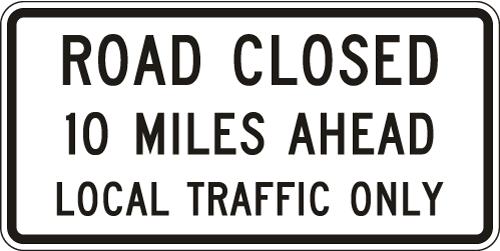
Road Closed Local Traffic Only Sign - R11-3a
$110.00 - $165.00
Shop on Trafficsigns.com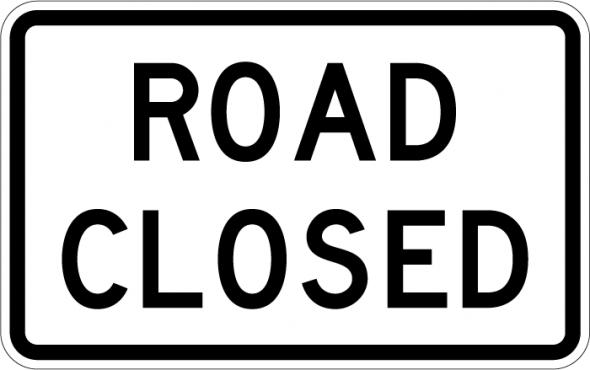
 Regulatory Signs
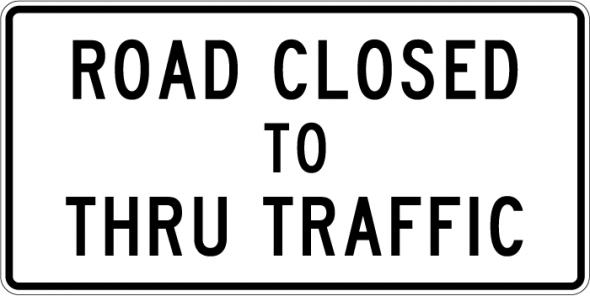
Road Closed To Thru Traffic Sign - R11-4
$110.00 - $165.00
Shop on Trafficsigns.com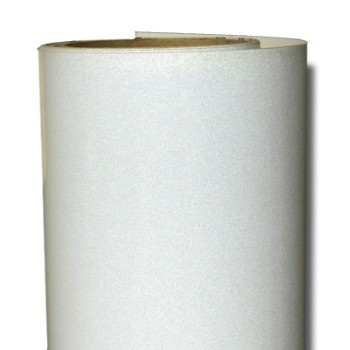 Shop Supplies
Avery Dennison T-1500 Series Engineering Grade Retroreflective Film
$405.00 - $810.00
Shop on Trafficsigns.comBuild a Safer, Less Cluttered Roadway
Reducing traffic sign clutter starts with choosing MUTCD-compliant signs that communicate clearly the first time. Browse our full selection of traffic control signs to find the right size, material, and reflective grade for your roadway or project.
Shop Traffic Control Signs