What Are Regulatory Signs and What Do They Mean?

What Are Regulatory Signs and What Do They Mean?

MUTCD-Compliant Traffic Regulatory Signs for Roads, Lots, and Public Spaces

Regulatory signs communicate specific traffic laws and rules that drivers and pedestrians must follow. Unlike advisory or warning signs, these signs carry legal authority, and ignoring them can result in fines, accidents, or liability. Whether you manage a roadway, parking facility, transit corridor, or private property, understanding the purpose, colors, and types of regulatory signs is the first step toward proper compliance. All regulatory signs sold at Trafficsigns.com are manufactured to MUTCD standards on reflective aluminum, so they hold up in the legally as well as in the field.

Common Buyer Questions About Regulatory Signs

What material are your regulatory signs made from?
All regulatory signs at Trafficsigns.com are printed on reflective sheeting bonded to .080 aluminum blanks with radius corners and pre-punched 3/8-inch mounting holes. You can choose from Engineer Grade (standard reflectivity), High Intensity (very reflective, meets DOT and MUTCD federal standards), or Diamond Grade (ultra-reflective, ideal for high-speed or low-light environments). Aluminum construction resists rust, UV fading, and impact, making these signs suitable for long-term outdoor installation.
What sizes are available for regulatory signs?
Most regulatory signs are available in multiple sizes to match MUTCD specifications for the installation environment. Common sizes include 12x12, 12x18, 18x24, 24x24, 24x30, 30x30, 30x36, 36x36, and 48x48 inches, depending on the specific sign design. Size availability varies by SKU, so check the product page for exact options. For road-facing signage, High Intensity or Diamond Grade reflectivity in a larger size is typically recommended.
Do your regulatory signs meet DOT and MUTCD standards?
Yes. All High Intensity and Diamond Grade regulatory signs sold at Trafficsigns.com meet DOT and MUTCD state and federal guidelines. Engineer Grade signs are reflective and suitable for many applications, but if your jurisdiction or project specification requires full MUTCD compliance, select High Intensity or Diamond Grade when placing your order.
Are bulk discounts available on regulatory signs?
Yes, volume pricing tiers are available on most regulatory sign SKUs. Discounts typically begin at quantities of 4, 7, 16, and 50 units per sign. For example, the Do Not Enter Sign (R5-1) in 12x12 Engineer Grade drops from $19.05 each to $16.00 each at 50 units. Larger sizes carry proportionally higher per-unit savings at volume. Pricing is shown on each product page when you select your size and reflectivity grade.
How quickly will my order ship?
Standard regulatory signs are printed to order and typically ship within 3 business days. Production time and carrier transit time are both shown at checkout. If you need signs for a specific project deadline, contact our team before ordering to confirm lead times for your quantity and configuration.
How do I mount a regulatory sign once it arrives?
All signs come with pre-punched 3/8-inch holes and radius corners for immediate post or bracket mounting. Standard U-channel posts, square tube posts, and breakaway mounting hardware are compatible. Mounting hardware is sold separately. For road-facing installations, consult your local traffic engineering authority for height and lateral placement requirements.
Can I order a custom regulatory sign if I need specific text or dimensions?
Yes. Trafficsigns.com offers custom sign printing on the same reflective aluminum material used for standard catalog signs. If your application requires non-standard text, a bilingual legend, or a specific size not shown in the standard matrix, use the custom sign option or contact our team directly to discuss your requirements.

What Do Regulatory Signs Mean?

Regulatory signs inform road users of traffic laws that apply at a specific location. They establish right-of-way, define speed limits, restrict or permit certain movements, and communicate rules for parking, passing, and pedestrian priority. The key distinction between regulatory signs and other sign categories is legal enforceability. A warning sign advises caution; a regulatory sign mandates a specific behavior. Violating a posted regulatory sign is typically a traffic offense under state or local law.
The Manual on Uniform Traffic Control Devices (MUTCD), published by the Federal Highway Administration, defines the design standards for all regulatory signs used on U.S. public roadways. MUTCD regulatory signs specify exact colors, shapes, legend text, and symbol designs to ensure that drivers can immediately recognize and respond to them, regardless of the state or jurisdiction they are driving through.

Regulatory Sign Colors: What the Colors Mean

One of the most frequently asked questions about traffic signs is what colors regulatory signs use and what those colors communicate. The MUTCD assigns specific color meanings across all sign categories.
The three primary colors drivers associate with regulatory signs are:
1. Red: Used for the most critical prohibitions and commands. Red appears on Stop signs, Yield signs, Do Not Enter signs, and Wrong Way signs. Red commands immediate compliance and signals that a movement is absolutely prohibited or that the driver must stop.
2. White: The standard background color for most regulatory signs. Speed limit signs, turn restriction signs, parking signs, and pass/no-pass signs all use a white background with black legend. White-background signs with black text are the default format for regulatory information.
3. Black: Used as legend color on white-background regulatory signs, and occasionally as a background for specific signs like a One Way sign. Black provides high contrast against white for maximum daytime legibility.
Green is primarily used for guide and informational signs, not regulatory signs, while yellow is primarily used for warning signs. Orange marks temporary traffic control and work zone signs. Understanding these color assignments helps drivers quickly categorize a sign before they can read its full message, which is particularly important at highway speeds.

Types of Regulatory Signs

The MUTCD organizes regulatory signs into several functional categories. Understanding the types of regulatory signs helps property managers, traffic engineers, and sign buyers select the correct sign for each application.
Right-of-Way Signs: These include the Stop sign (R1-1) and Yield sign (R1-2). They establish which driver has priority at intersections and merge points. These are among the most legally significant signs on any roadway.
Speed Regulation Signs: Speed limit signs (R2 series) post the maximum or minimum legal speed for a segment of road. School zone speed signs and variable speed limit signs fall into this category as well.
Movement Restriction Signs: These signs prohibit or restrict specific vehicle movements. Do Not Enter (R5-1), Wrong Way, No U-Turn, and No Left Turn signs are common examples. The Do Not Pass sign (R4-1) and Do Not Pass on Shoulder (R4-18) also fall here, restricting overtaking behaviors on specific road segments.
Parking and Standing Signs: Regulatory parking signs define where, when, and for how long vehicles may park. No Parking, No Stopping, and time-limited parking signs are included in this group. Signs like the Do Not Park In Front Of Dumpster (AR-122) address site-specific parking restrictions common in commercial and multi-family properties.
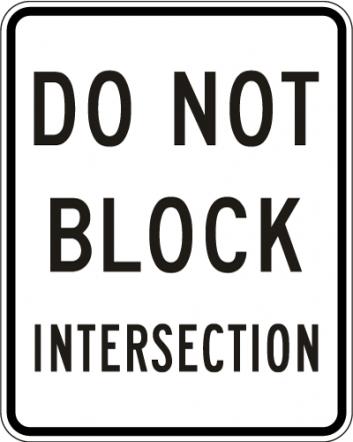
Pedestrian and Crosswalk Signs: Signs in the R9 and R10 series govern pedestrian behavior and driver obligations at crosswalks and intersections. The Do Not Block Intersection sign (R10-7) is a widely used example in urban environments.
Railroad and Transit Signs: The R15 series covers light rail, commuter rail, and freight railroad crossing regulations. Signs such as Do Not Drive On Tracks (R15-6a), Do Not Pass Light Rail Transit (R15-5), Do Not Pass Stopped Train (R15-5a), and Number of Tracks (R15-2p) protect motorists and transit passengers at rail crossings.
Each category corresponds to specific MUTCD codes, and selecting the correct code ensures your sign matches the legally recognized design for that regulation.

How Regulatory Signs Are Enforced and Who Is Responsible

Regulatory signs derive their authority from the traffic laws of the state or municipality in which they are posted. A sign does not create a law on its own; it communicates that a law applies at that specific location. Law enforcement officers can cite drivers for violating the instructions on a properly installed regulatory sign.
Responsibility for sign installation and maintenance typically falls on the agency or entity that controls the roadway or property. On public roads, that means state transportation departments, county road commissions, or municipal public works departments. On private property, including parking lots, apartment complexes, industrial facilities, and shopping centers, the property owner or manager is responsible for posting and maintaining signs that enforce their rules.
For a regulatory sign on private property to support towing or ticketing enforcement, it generally must meet local ordinance requirements for size, visibility, and placement. Using MUTCD-compliant signs, such as those manufactured on reflective aluminum to federal specifications, can strengthen the property owner's position in any dispute. Signs that are faded, damaged, or improperly sized may not be considered legally sufficient notice to drivers.
Maintaining your signs is as important as installing them correctly. Reflective sheeting degrades over time, particularly in regions with intense UV exposure. Regular inspection and replacement of worn signs keeps your property compliant and defensible.

Regulatory Sign Reflectivity Grades Compared

Trafficsigns.com offers three reflectivity grades for regulatory signs. The right choice depends on the speed of traffic, ambient lighting, and whether federal or state MUTCD compliance is required.

FeatureEngineer GradeHigh IntensityDiamond Grade
Reflectivity LevelStandardVery ReflectiveUltra Reflective
MUTCD Federal ComplianceNot specifiedMeets DOT and MUTCD standardsMeets DOT and MUTCD standards
Best Use CaseLow-speed private property, parking lotsPublic roadways, standard traffic speedsHigh-speed roads, poorly lit areas, highways
Typical Lifespan (outdoor)7+ years7-10 years10+ years
Relative CostLowestMid-rangeHighest
Night VisibilityGoodVery GoodExcellent

Shop MUTCD Regulatory Signs

All signs below are manufactured on reflective aluminum with pre-punched mounting holes and radius corners. Select the reflectivity grade and size that match your installation requirements.
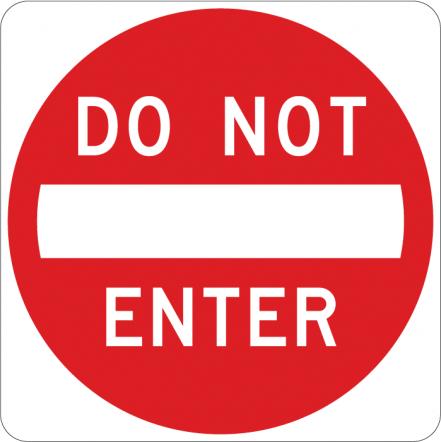
Do Not Enter Sign R5-1 on reflective aluminum Regulatory Signs / Traffic Control

Do Not Enter Sign - R5-1

$19.05 - $256.95

Shop on Trafficsigns.com
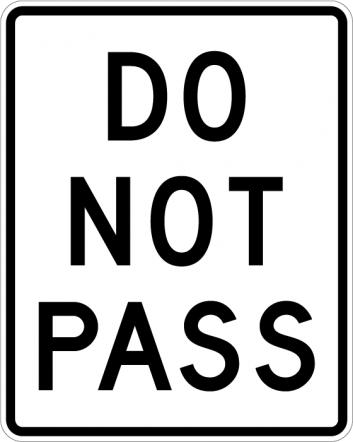
Do Not Pass Sign R4-1 reflective aluminum regulatory sign Regulatory Signs / Traffic Control

Do Not Pass Sign - R4-1

$21.95 - $92.50

Shop on Trafficsigns.com
Do Not Block Intersection Sign R10-7 MUTCD compliant Regulatory Signs / Pedestrian Signs

Do Not Block Intersection Sign - R10-7

$57.95 - $92.50

Shop on Trafficsigns.com
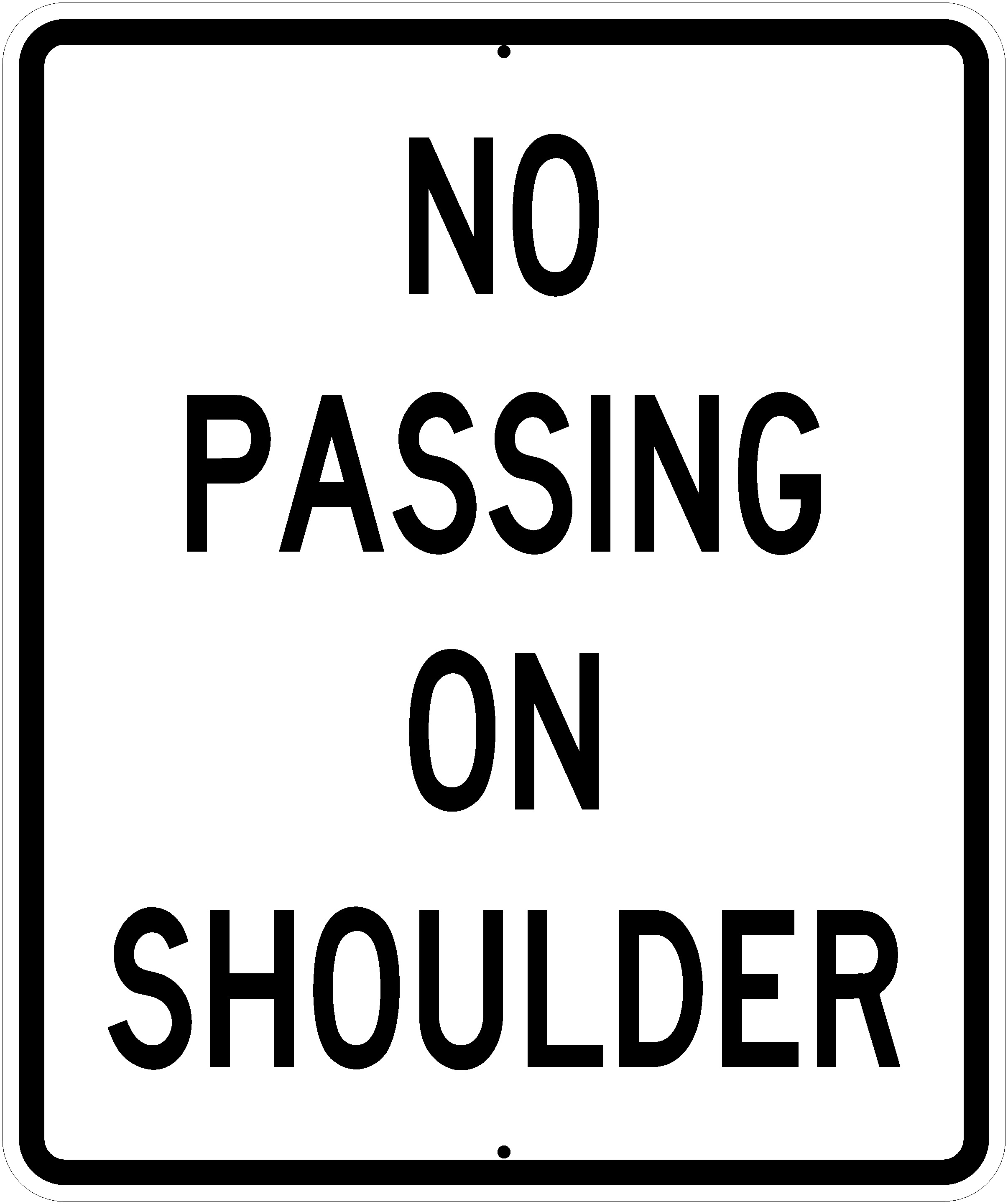
Do Not Pass on Shoulder Sign R4-18 reflective aluminum Regulatory Signs / Traffic Control

Do Not Pass on Shoulder - R4-18

$33.25 - $123.75

Shop on Trafficsigns.com
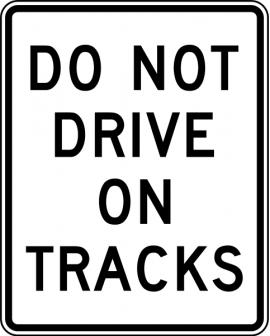
Do Not Drive On Tracks Sign R15-6a MUTCD railroad crossing Regulatory Signs / Traffic Control

Do Not Drive On Tracks Sign - R15-6a

$57.95 - $92.50

Shop on Trafficsigns.com

Ready to Order MUTCD-Compliant Regulatory Signs?

Trafficsigns.com carries the full range of traffic regulatory signs you need for roads, parking facilities, transit corridors, and private property. Every sign ships on reflective aluminum with pre-punched mounting holes, ready to install. Select your size and reflectivity grade, and get volume pricing automatically applied at checkout.

Shop Regulatory Signs