
Understanding speed studies, regulatory standards, and posted speed limits
Common Questions About Buying Speed Limit Traffic Signs
- What sizes do speed limit traffic signs come in?
- Standard speed limit signs are typically sold at 24 inches by 30 inches for roadway use, though smaller 18 x 12 or 24 x 18 formats work well for parking lots and private drives. Larger 36 x 48 sizes are common on higher-speed roads where drivers need more time to read the sign. The Speed Limit Sign R2-1 and related fines and combined speed signs follow the same MUTCD size charts used by state DOTs, so ordering a size that matches your road classification keeps you compliant.
- What material are speed limit signs made from, and how long do they hold up outdoors?
- Our regulatory speed limit signs are printed on reflective aluminum standard punched blanks, not vinyl banners or plastic. You can choose engineer grade (standard reflectivity), high intensity (very reflective), or diamond grade (ultra reflective) sheeting depending on how much nighttime visibility you need. Aluminum construction resists rust, warping, and fading, and these signs are built for long-term outdoor exposure in all climates.
- Can I get a custom speed limit number on a sign?
- Yes. Standard speed limit signs like the Speed Limit Sign R2-1 can be customized with the specific number set by your local speed study, whether that is 15, 25, 35, or another posted limit. Custom neighborhood speed limit signs and private road signage follow the same MUTCD format so they read as official and enforceable even off the public street network.
- What is the difference between engineer grade, high intensity, and diamond grade reflective sheeting?
- Engineer grade offers reliable daytime and basic nighttime reflectivity at the lowest price point. High intensity sheeting reflects headlights more brightly and holds up better on higher-speed roads. Diamond grade is the most reflective option, designed for maximum visibility in low light or bad weather, and is often specified for state highways or areas with elevated crash risk.
- Do these speed limit signs meet DOT and MUTCD standards?
- Yes. Every sign in our speed limit signs collection is manufactured to meet DOT and MUTCD state and federal standards for regulatory traffic signs, including correct sizing, font, border, and reflectivity requirements. This applies to standard speed limit signs, minimum speed limit signs, work zone signs, and school zone signage.
- How fast can I get speed limit signs shipped?
- Printed aluminum speed limit signs are produced to order, and turnaround depends on quantity and reflective grade selected. Engineer grade signs typically move fastest through production, while diamond grade signs may take slightly longer due to material sourcing. Contact our team for a current lead time before you order if you have an installation deadline.
- Are radar speed signs with cameras the same as posted speed limit signs?
- No. Radar speed feedback signs with digital displays are a separate category of electronic equipment used for speed enforcement and driver awareness. The signs covered in this guide are static, reflective, DOT-compliant regulatory signs like the Speed Limit Sign R2-1, which post the legally enforceable limit rather than displaying a driver's real-time speed.
How Speed Studies Determine Posted Speed Limits
Engineers also factor in roadway geometry, sight distance, crash history, pedestrian activity, and adjacent land use. A road running through a school zone or dense residential area will often be posted lower than the raw 85th percentile speed would suggest, prioritizing roadway safety for vulnerable users. Once the study is complete and a limit is approved, agencies install a speed limit traffic sign to make that determination legally enforceable. Signs like the Speed Limit Sign R2-1 are the standard format used nationwide to post that final number.
Regulatory Standards and MUTCD Compliance
Different situations call for different sign codes within the same regulatory family. A school speed limit sign posts a reduced limit during school hours, while a truck speed limit sign sets a separate limit for larger vehicles on grades or curves. Minimum speed limit signs address the opposite problem, flagging roads where driving too slowly creates a hazard, such as limited-access highways. Night speed limit signs post a different number after dark when visibility conditions change driver behavior. Work zones bring their own regulatory needs, and an end work zone speed limit sign signals drivers that the temporary reduced limit no longer applies. For a full breakdown of related regulatory signage, browse our traffic control signs category.
Regulatory vs Advisory Speed Signs: Know the Difference
You will see this distinction most often on highways, where an advisory speed curve sign warns of a specific geometric hazard ahead. Temporary construction zones use their own tools, including reduced speed limit ahead roll-up construction signs, which are portable and reflect changing conditions as a project moves. School zones require careful transition signage as well, and an end school speed limit sign marks where the reduced zone terminates so drivers know when the standard limit resumes.
Reflective Sheeting Grades for Speed Limit Signs
Every speed limit sign we manufacture is available in three reflective grades. Choosing the right grade depends on posted speed, road classification, and how much nighttime visibility a location requires.
| Grade | Reflectivity Level | Best Use Case | Relative Cost |
|---|---|---|---|
| Engineer Grade | Standard reflective, meets baseline DOT and MUTCD requirements | Low-speed roads, parking lots, private drives, neighborhood streets | Lowest cost per sign |
| High Intensity | Very reflective, brighter headlight response than engineer grade | Collector roads, moderate-speed arterials, work zones | Mid-range cost |
| Diamond Grade | Ultra reflective, maximum nighttime visibility | State highways, high-speed corridors, high-crash locations | Premium cost |
Shop DOT-Compliant Speed Limit Signs
Every sign below is built on reflective aluminum standard punched blanks and available in engineer grade, high intensity, or diamond grade reflectivity to meet DOT and MUTCD standards.
 Regulatory Speed Limit Signs
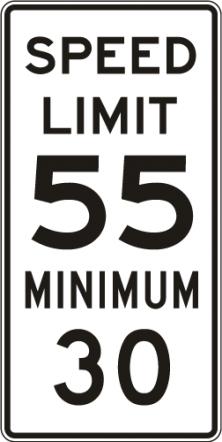
Combined Speed Limit Sign - R2-4a
$86.25 - $123.75
Shop on Trafficsigns.com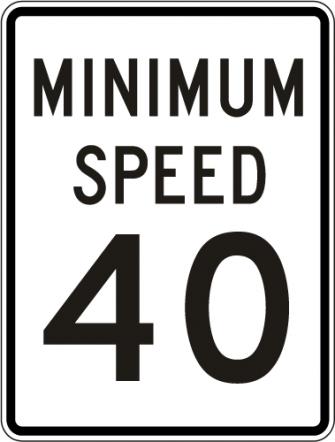 Regulatory Speed Limit Signs
Minimum Speed Limit Sign - R2-4
$57.95 - $195.50
Shop on Trafficsigns.com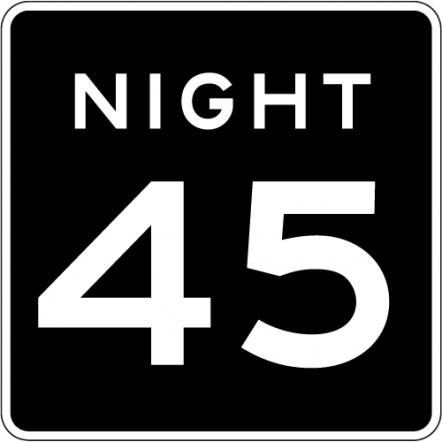 Regulatory Speed Limit Signs
Night Speed Limit Sign - R2-3
$44.25 - $256.95
Shop on Trafficsigns.com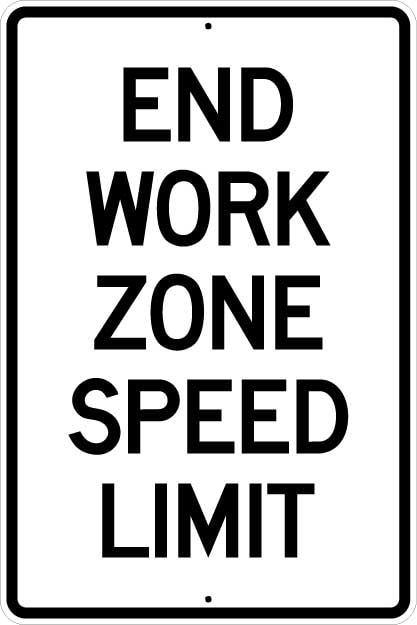 Regulatory Speed Limit Signs
End Work Zone Speed Limit Sign - R2-12
$69.95 - $111.95
Shop on Trafficsigns.com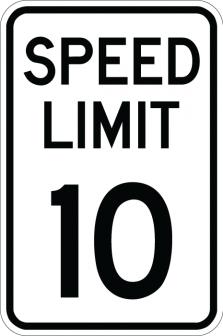
Post the Right Speed Limit Sign for Your Road
Whether you are replacing a faded regulatory sign, marking a new work zone, or setting speed limits on a private road, our full lineup of DOT and MUTCD compliant speed limit traffic signs is ready to ship in the reflective grade your location requires.
Shop Speed Limit Signs