
A practical guide to testing, measuring, and maintaining nighttime visibility on reflective traffic signs
Reflective traffic signs only work when their sheeting still bounces headlight beams back to a driver's eyes with enough intensity to read the message from a safe distance. Sun exposure, road grime, and simple age all reduce that performance over time, often long before a sign looks visibly worn during the day. Federal Highway Administration guidance requires agencies to keep signs at or above minimum retroreflectivity levels defined in the MUTCD, and knowing how to check for that standard, whether with a simple headlight test or a calibrated retroreflectometer, is the first step in keeping roadway safety intact after dark.
Common Questions About Reflective Traffic Signs
- What does a reflective sign mean?
- A reflective sign uses retroreflective sheeting, a material embedded with tiny glass beads or micro-prisms, to send light directly back toward its source rather than scattering it in every direction. When a vehicle's headlights hit the sign, the light bounces back toward the driver's eyes, making the sign legible from a much greater distance at night. This is different from ordinary reflective paint or gloss finishes, which scatter light and offer little real nighttime benefit.
- What are the 4 types of traffic signs?
- Traffic signs generally fall into four categories: regulatory signs (stop, yield, speed limit), warning signs (curves, merges, crossings), guide signs (route markers, destination and recreation signage), and temporary traffic control signs used in work zones. You can browse examples of guide-style signage on our road signs page, which covers wayfinding and directional applications.
- What is the difference between Class 1 and Class 2 reflective signs?
- Buyers often use 'Class 1' and 'Class 2' informally to describe different grades of reflective sheeting, which correspond to the Engineer Grade, High Intensity, and Diamond Grade options you'll see on most trafficsigns.com products. Engineer Grade offers baseline retroreflectivity suited to lower-speed, well-lit areas. High Intensity performs noticeably brighter and holds up longer, making it a common choice for arterial roads. Diamond Grade delivers the strongest retroreflective performance available and is typically specified for high-speed highways, sharp curves, and other locations where maximum nighttime visibility is critical.
- Do road signs have to be reflective?
- Yes. Federal regulations require most signs on public roads to be reflective or illuminated so they remain visible after dark, and state DOTs must maintain minimum retroreflectivity levels on regulatory, warning, and guide signs under FHWA rules. Non-reflective or heavily faded signs that fall below those thresholds are typically flagged for maintenance or sign replacement.
- How do I know if my sign no longer meets minimum retroreflectivity?
- The simplest field check is a nighttime headlight test: drive toward the sign at normal speed and note whether the message is legible from a safe reading distance. For a documented measurement, agencies and sign shops use a handheld retroreflectometer to record candela readings and compare them against MUTCD minimum retroreflectivity tables. Many sign programs also track expected sheeting life, since Engineer Grade and High Intensity materials generally begin losing performance somewhere in the 7 to 12 year range depending on sun exposure and climate.
- How much do reflective traffic signs cost?
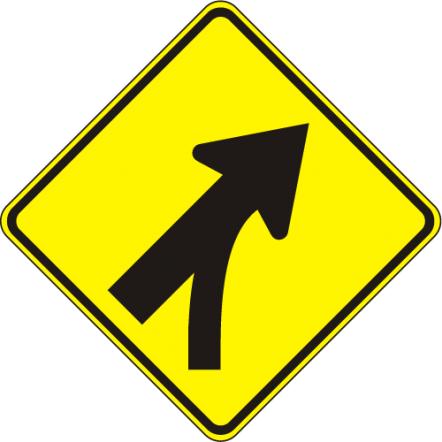
- Pricing depends on sheeting grade and sign size. As an example, the Entering Roadway Merge Sign - W4-5 starts at $44.25 in Engineer Grade at 24" x 24", $52.35 in High Intensity, and $73.35 in Diamond Grade, with volume discounts kicking in at 4, 7, 16, and 50-unit tiers. Larger sizes and higher-reflectivity sheeting increase the base price, but bulk pricing brings the per-unit cost down significantly for fleet or municipal orders.
- How long does it take to get custom reflective signs produced and shipped?
- Standard reflective aluminum signs typically move through production quickly since they're printed to order on pre-cut punched blanks. Custom layouts, such as a Custom Reflective Aluminum 12 x 18 sign, go through a quick proof approval step before printing, which adds a short turnaround but ensures the artwork, colors, and sheeting grade are correct before the sign ships.
Why Reflective Sheeting Matters for Nighttime Visibility
Types of Reflective Sheeting Used on Traffic Signs
MUTCD Minimum Retroreflectivity and Sign Inspection Methods
Reflective Sheeting Grades Compared
Sheeting grade is the single biggest factor in how bright a sign appears under headlights at night. Here's how the three grades used across trafficsigns.com products compare, using the Entering Roadway Merge Sign (W4-5) at 24" x 24" as a pricing example.
| Sheeting Grade | Reflectivity Level | Best Use Case | Example Price (24" x 24") |
|---|---|---|---|
| Engineer Grade | Reflective, meets baseline MUTCD minimums | Low-speed roads, parking facilities, general signage | $44.25 |
| High Intensity | Very reflective, stronger nighttime performance | Arterial roads, collector streets, higher-traffic areas | $52.35 |
| Diamond Grade | Ultra reflective, maximum brightness and distance | High-speed highways, curves, critical regulatory signs | $73.35 |
Reflective Signs and Sheeting for Every Application
Whether you're replacing a faded warning sign or refurbishing existing blanks, these reflective traffic signs and sheeting films cover the most common needs for roadway safety and compliance.
 Shop Supplies
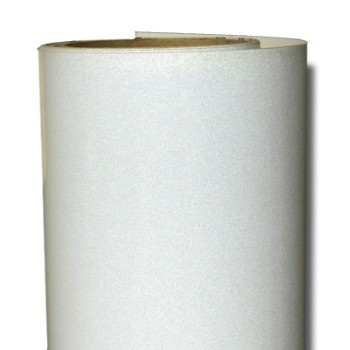
Avery Dennison T-1500 Series Engineering Grade Retroreflective Film
$405 - $810
Shop on Trafficsigns.com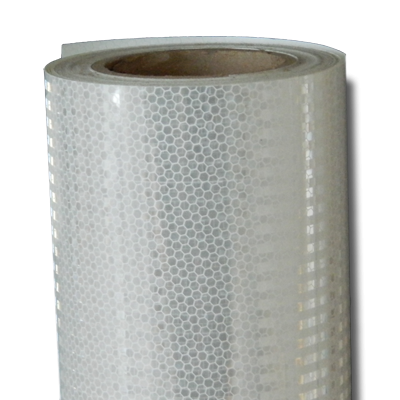 Shop Supplies
Avery Dennison T-6500 Series High-Intensity Prismatic Retroreflective Film
$592 - $1,185
Shop on Trafficsigns.com Custom Parking Signs
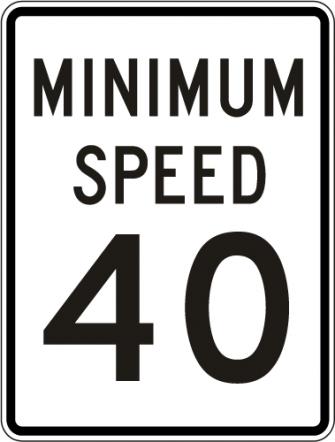
Custom Reflective Aluminum 12 x 18 Signs - CR-12-18
$29.95 - $49.95
Shop on Trafficsigns.comReady to Replace an Underperforming Sign?
If a headlight test or retroreflectometer reading shows your sign has dropped below minimum retroreflectivity, don't wait for a complaint or an incident report to act. Shop Diamond Grade reflective sheeting and other reflective traffic signs built to DOT and MUTCD standards, and get a compliant replacement on the road faster.
Shop Reflective Signs