
A practical guide to safe, compliant site design for parking lots, fire lanes, and access roads
Every new commercial development, whether it's a retail center, office park, or multi-tenant warehouse, needs a signage plan before the first car pulls into the lot. Commercial property traffic signs guide drivers, protect pedestrians, keep fire lanes clear, and satisfy local building codes before a certificate of occupancy is ever issued. This guide walks property owners, developers, and facility managers through the process of planning traffic signs for a commercial site, from the first grading permit through final landscaping.
Common Questions About Buying Commercial Property Traffic Signs
- What materials are used for commercial property traffic signs, and how long do they hold up outdoors?
- Most commercial and parking lot traffic signs are made from reflective sheeting bonded to aluminum blanks. Engineer grade sheeting is the standard reflective option, high intensity offers stronger nighttime visibility, and diamond grade delivers the brightest, longest-lasting reflectivity for high-speed access roads or low-light areas. All three grades are built to meet DOT and MUTCD state and federal standards and are designed to withstand years of sun, rain, and temperature swings without fading or delaminating.
- What sizes are available for parking lot and site traffic signs?
- Standard commercial traffic signs typically run from 12 inch by 18 inch for smaller regulatory signs up to 36 inch by 48 inch for roadway-facing warning signs. Fire lane and no-parking signs are commonly ordered at 12x18 or 18x24, while speed limit and stop signs on private drives often use 24x30 or 30x36 depending on approach speed and sightlines. Larger construction and warning signs, such as roll-up signs used during site work, are sized at 36x36 or 48x48 for maximum visibility.
- Can I customize the layout, wording, or artwork on a sign for my property?
- Yes. Many commercial development signs, including speed limit plates, visitor parking signs, and reserved space signs, can be customized with your property name, unit numbers, or specific wording while still meeting MUTCD shape and color requirements. Standard regulatory signs like stop signs, ADA parking signs, and fire lane signs should keep their required legend and symbol layout to remain code compliant and legally enforceable.
- How much do commercial traffic signs cost, and are bulk discounts available?
- Pricing depends on size and reflective grade. A basic engineer grade sign in a common size can start under $25, while larger diamond grade signs for higher-speed areas run higher. Bulk pricing tiers apply on most signs, so ordering signage for an entire property (multiple fire lane signs, ADA spaces, and directional signs at once) typically lowers the per-unit cost as quantity increases.
- How fast can signs be produced and shipped for a new development?
- Standard reflective aluminum signs are typically produced and shipped within a few business days of order. Larger or custom-worded signs may take slightly longer to proof and print. Property managers coordinating a full site opening should order signage as soon as the parking lot layout and fire lane plan are finalized to avoid delays before final inspection.
- How are traffic signs mounted and installed on a commercial site?
- Most signs come with standard punched holes for mounting to U-channel posts, square tube posts, or existing poles with brackets. Post height and setback from the drive lane should follow MUTCD guidance and local code, usually with the bottom of the sign at least 7 feet above grade in pedestrian areas. Installation is straightforward with basic hand tools, though larger diamond grade signs on tall posts may require two people or a small ladder.
- When should fire lane and ADA parking signs go in during construction?
- Fire lane signage and ADA parking signs should be installed before the fire marshal's final walkthrough and before the building receives its certificate of occupancy. Both are typically required by code, not optional, so they need to be part of the site plan from the earliest design phase rather than added after the parking lot is striped.
Why Traffic Sign Planning Matters for a New Commercial Property
The Four Basic Types of Traffic Signs Every Site Plan Needs
Types of Commercial Signs Your Property May Require
Do You Have to Follow Traffic Signs on Private Property?
A Step-by-Step Approach to Planning Your Site's Sign Package
Sign Material Comparison: Choosing the Right Reflective Grade
| Material | Best For | Reflectivity | Relative Cost |
|---|---|---|---|
Engineer Grade | Low-speed private drives, pedestrian areas, interior lots. | Reflective | Lowest cost, best for budget-conscious orders. |
High Intensity | High-traffic parking lots, poorly lit areas, commercial entrances. | Very Reflective | Mid-range cost, strong balance of visibility and price. |
Diamond Grade | High-speed roadways, low-light or high-risk intersections. | Ultra Reflective | Highest cost, best long-term visibility performance. |
Commercial Property Traffic Signs to Get Your Site Ready
These are among the most frequently ordered signs for new commercial developments, from construction-phase warning signs to permanent fire lane and regulatory signage.
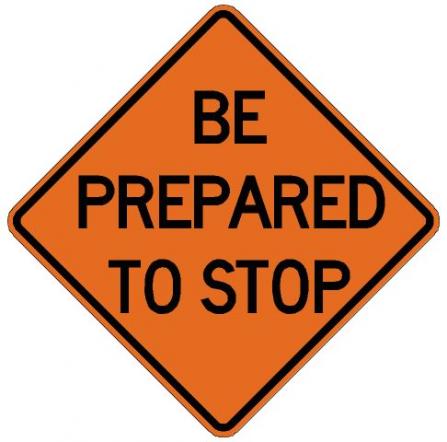 Construction & Warning Signs
Be Prepared To Stop Roll-Up Construction Signs - W3-4-RU
$44.55 - $213.75
Shop on Trafficsigns.com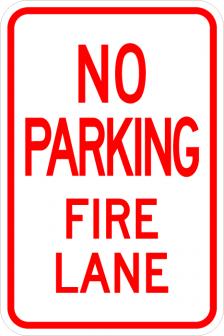
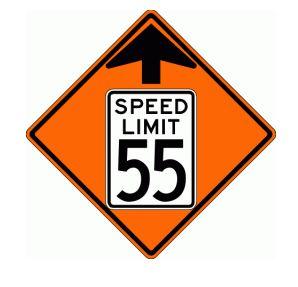 Construction & Warning Signs
Reduced Speed Limit Ahead Roll-Up Construction Signs - W3-5-RU
$44.55 - $213.75
Shop on Trafficsigns.com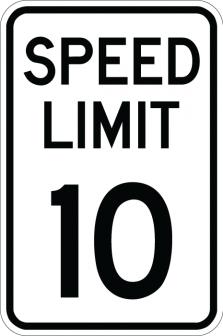
Build a Complete Sign Package Before Your Next Inspection
From construction-phase warning signs to permanent fire lane and ADA parking signage, a well-planned sign package keeps your commercial property compliant, safe, and ready for occupancy. Browse the fire lane and no parking bundle to cover one of the most commonly cited compliance gaps on new developments.
Shop the Fire Lane No Parking Kit