
Understanding Traffic Sign Visibility, Legibility Distance, and MUTCD Standards
Traffic sign visibility is not a guess. It is calculated using driver reaction time, roadway speed, letter height, and reflective sheeting performance so that a sign can be seen, read, and understood with enough distance left to react safely. This guide breaks down the legibility index engineers use, how traffic sign size and lettering influence recognition distance, why reflective grade matters for nighttime sign visibility, and how proper traffic sign placement keeps drivers informed well before they reach a hazard, intersection, or work zone.
Traffic Sign Visibility: Buyer Questions Answered
- Which reflective sheeting grade should I choose for the best traffic sign visibility?
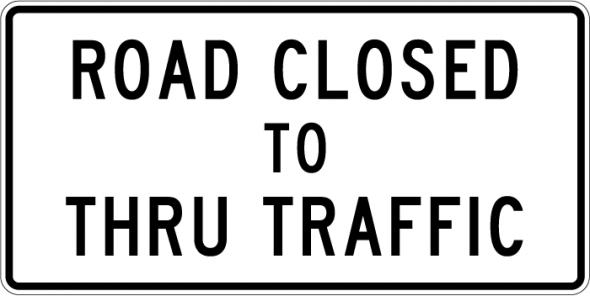
- It depends on the road speed, the sign's color, and how much nighttime visibility you need. Engineer grade sheeting is the most economical option and works well for white regulatory signs on low-speed residential streets, but the MUTCD doesn't allow it on yellow warning signs or orange work zone signs, which need high intensity or diamond grade. High intensity sheeting reflects brighter and holds up longer, making it a solid choice for collector roads and moderate-speed corridors. Diamond grade delivers the strongest reflectivity at wide viewing angles, and we recommend it for highways, freeways, and work zones where drivers need maximum advance warning. These are our recommendations rather than MUTCD rules, and many states set their own sheeting requirements, so check with your state DOT or local agency. Signs like the Road Closed To Thru Traffic Sign - R11-4 are available in all three grades so you can match the sheeting to your traffic conditions.
- What sizes are traffic signs available in, and does size affect reading distance?
- Yes, sign size and letter height work together to determine traffic sign reading distance. Regulatory and warning signs on our site range from smaller 12x18 and 18x24 panels up to 36x36, 48x48, and even 60x30 for larger installations like Road Closed To Thru Traffic Sign - R11-4. Larger panels allow for taller lettering, which extends the distance at which a driver can recognize and read the message.
- Do your traffic signs meet MUTCD sign visibility and DOT standards?
- Yes. All of our high intensity and diamond grade signs are manufactured to meet DOT and MUTCD state and federal standards for reflectivity, size, and color. This applies across our regulatory, warning, and guide sign lines, including products built on standard punched aluminum blanks for durability.
- How much do reflective traffic signs cost, and is there a bulk discount?
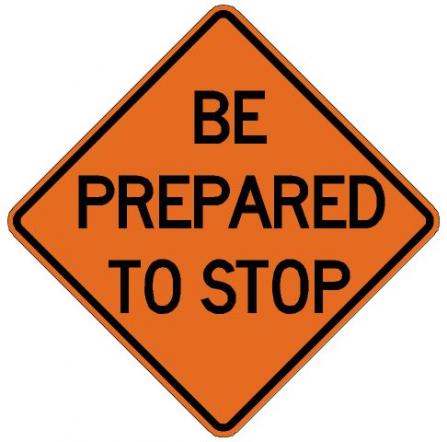
- Pricing varies by size and reflective grade. For example, the Be Prepared to Stop Sign - W3-4-O is priced by size and sheeting. Under the MUTCD, this sign must be at least 30 x 30 inches (36 x 36 on most conventional roads), and because it's an orange work zone sign, it needs high intensity or diamond grade sheeting. Most products include volume pricing tiers starting at quantities of 4, 7, 16, and 50 signs, so larger orders reduce the per-unit cost.
- How long does production and shipping take for traffic signs?
- Standard aluminum signs are produced to order using reflective sheeting on punched blanks, so most orders move through production efficiently once specifications are confirmed. Lead times can vary based on sign size, reflective grade, and current order volume, so it is best to confirm turnaround at checkout or with our support team before ordering for a time-sensitive installation.
- What is needed to install a traffic sign correctly?
- Most signs use standard punched holes for mounting to posts or existing hardware with U-bolts, straps, or bolts. If you need bare aluminum to fabricate a custom layout or match an existing sign family, our sign blanks give you the same durable base material without pre-printed graphics.
- How should traffic signs be cared for after installation?
- Reflective aluminum signs are built to withstand outdoor exposure, but periodic cleaning with water and a soft cloth helps maintain reflectivity by removing dirt, road grime, and debris that can dull the sheeting at night. Avoid abrasive cleaners, which can scratch the reflective surface and reduce traffic sign visibility distance over time.
Understanding Traffic Sign Visibility Distance and the Legibility Index
How Traffic Sign Size and Lettering Affect Recognition Distance
Reflective Sheeting Grades and Nighttime Sign Visibility
Traffic Sign Placement Guidelines for Maximum Visibility
Traffic Sign Categories and Common Questions
There are three primary types of traffic signs: regulatory signs, which tell drivers what they must or must not do (stop, yield, speed limits, no entry); warning signs, which alert drivers to conditions ahead; and guide signs, which provide directional and informational content such as mileage, exits, and destinations. You can browse our full range of directional and mileage signage in our guide signs collection.
Warning signs specifically call out three broad categories of concern: changes in roadway geometry or surface conditions (curves, narrow bridges, uneven pavement), intersections and crossing traffic (cross roads, railroad crossings, pedestrian and bicycle crossings), and temporary hazards like construction zones, road machinery, or lane closures. Ten common traffic signs drivers encounter regularly include: stop signs, yield signs, speed limit signs, do not enter signs, one way signs, road closed signs, merge signs, no U-turn signs, pedestrian crossing signs, and railroad crossing signs. Each follows standardized MUTCD shape, color, and sizing rules so drivers can recognize the sign type at a glance, long before they are close enough to read the exact wording.
Reflective Sheeting Grades Compared
| Sheeting Grade | Typical Nighttime Visibility | Best Use Case | Relative Cost |
|---|---|---|---|
Engineer Grade (Reflective) | Adequate reflection at shorter distances under headlights | White regulatory signs on low-speed residential streets, parking facilities, and temporary regulatory postings. Not permitted for yellow warning or orange work zone signs. | Most economical |
High Intensity (Very Reflective) | Brighter reflection over a wider viewing angle, visible further down the road | Collector roads, arterial streets, moderate-speed corridors | Mid-range |
Diamond Grade (Ultra Reflective) | Strongest reflectivity, holds visibility at greater distances and oblique angles | Highways, freeways, work zones, low-light rural roads | Premium |
Signs Built for Better Visibility and Reading Distance
These products illustrate how sizing, reflective grade, and distance messaging work together to keep drivers informed with enough time to react.
 Warning Signs
Be Prepared To Stop Roll-Up Construction Signs - W3-4-RU
$44.55 - $213.75
Shop on Trafficsigns.com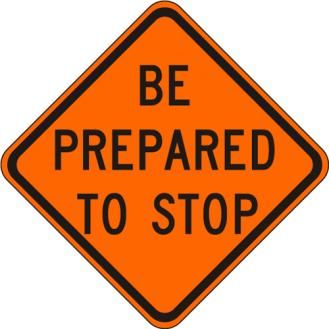
 Regulatory Signs
Road Closed To Thru Traffic Sign - R11-4
$110.00 - $165.00
Shop on Trafficsigns.comGet the Right Sign for the Right Distance
Whether you are outfitting a work zone, a private road, or a full intersection, matching sign size, lettering, and reflective grade to your actual traffic speed makes the difference between a sign drivers glance at and one they can actually act on in time. Browse our full selection of warning signs to find the right size and sheeting grade for your project.
Shop Warning Signs