
A practical guide to materials, sizing, and compliance before you place an order
Shopping for traffic signs for sale involves more than picking a design off a page. Reflectivity grade, sign size, mounting hardware, and compliance standards all affect how a sign performs once it's installed. This guide walks through what to check before you buy traffic signs for a parking lot, work zone, private roadway, or municipal project, so you order the right product the first time.
Common Questions When Buying Road Signs
- What material should I look for when I buy traffic signs?
- Nearly all traffic signs for sale are built on rust-resistant aluminum blanks with a reflective sheeting applied on top. The sheeting is what determines nighttime visibility and price. Engineer grade is the most affordable reflective option, high intensity reflects more light back to headlights, and diamond grade offers the strongest reflectivity for high-speed roads or low-light conditions. Keep in mind that the MUTCD doesn't allow engineer grade on yellow, fluorescent yellow-green, or orange signs, so warning and work zone signs need high intensity or better. Aluminum itself resists corrosion, warping, and fading far better than plastic or coroplast alternatives, which is why it's the standard for outdoor traffic sign materials.
- What sizes do road signs for sale typically come in?
- Sizing depends on the sign type and its intended application. Many regulatory and warning signs are available in a range such as 12x18, 18x24, 24x30, 24x24, 30x30, and 36x36 inches, while larger signs like the Road Closed To Thru Traffic Sign - R11-4 are produced at 60x30 inches for maximum roadside visibility. Choosing the right size depends on posted speed limits, viewing distance, and whether the sign needs to meet MUTCD compliant signs sizing guidance for the roadway classification.
- Can I customize the wording or design before I buy traffic signs?
- Standard MUTCD symbols and legends (like warning diamonds or regulatory signs) are produced to exact federal specifications and typically aren't altered, since changing the layout could affect compliance. However, many suppliers offer custom reflective signs with specific wording, logos, or arrows for private property, parking facilities, or specialty routes. Signs on public roads need to use the standard MUTCD designs and wording, so custom messages are best kept to private property. If you need a non-standard message, ask whether artwork proofs are provided before production.
- Do MUTCD compliant signs matter if the sign is on private property?
- The MUTCD applies to all roads open to public travel, including privately owned roads that the public is allowed to use, such as roads in shopping centers or large campuses. Parking lots and gated private roads generally aren't covered, so those owners have more flexibility, but many still choose MUTCD-style signage because drivers instantly recognize the shapes and colors, which improves safety and reduces liability. Check with your state DOT or local agency if you're not sure whether your road counts as open to public travel.
- How much can I save by ordering in bulk?
- Most traffic signs for sale are priced on a tiered scale that lowers the per-unit cost as quantity increases. For example, ordering 4, 7, 16, or 50+ units of the same sign typically unlocks progressively better pricing. A single Slippery When Wet Signs - W8-5p in high intensity starts around $25.95, and the per-sign cost drops to about $21.80 at 50 or more, which matters for fleets, HOAs, and municipalities ordering multiple locations at once.
- How long does production and shipping take?
- Turnaround varies by sign type, size, and reflective grade, but most standard signs ship within a few business days of order confirmation. Custom or oversized signs may take longer. If you're on a tight installation deadline, it's worth asking about current production times before finalizing your order.
- What's involved in mounting and maintaining a sign after purchase?
- Most road signs for sale ship with pre-punched mounting holes (commonly 3/8 inch) so they can be bolted directly to a U-channel post, square tube, or existing pole with standard hardware. Once installed, aluminum signs need minimal upkeep: periodic rinsing removes dirt and road grime that can dull reflectivity, and signs should be stored flat and out of direct stacking pressure if removed for any reason. Checking for loose bolts or bent corners during routine property inspections helps extend the sign's lifespan. For roadside signs, the MUTCD calls for the bottom of the sign to be at least 5 feet above the road in rural areas and at least 7 feet where there's parking or pedestrian traffic, and public agencies must have a method for keeping signs reflective enough at night, so faded signs should be replaced rather than just cleaned. Check with your state DOT or local agency for any additional requirements.
Understanding Traffic Sign Materials and Reflectivity Grades
Choosing the Right Sign Category, Shape, and Size
Reflective Sheeting Grades Compared
| Sheeting Grade | Reflectivity Level | Best Suited For | Relative Price Tier |
|---|---|---|---|
Engineer Grade | Standard reflective | Parking lots and white or red regulatory signs on low-speed streets (not allowed on yellow, fluorescent yellow-green, or orange signs) | Most affordable |
High Intensity | Enhanced reflective | Busy intersections, moderate-speed roadways, warning and work zone signs | Mid-range |
Diamond Grade | Maximum reflective | High-speed highways, night work zones, critical warnings | Premium |
Popular Traffic Signs for Sale
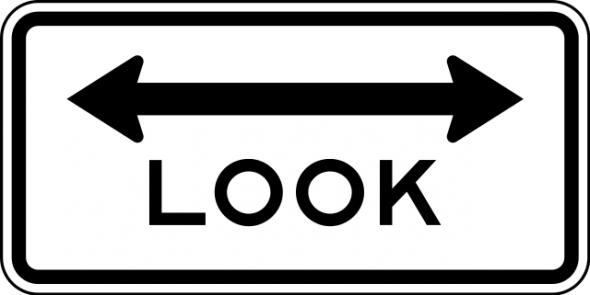 Regulatory Signs > Traffic Control Signs
Look Sign - R15-8
$49.75 - $123.75
Shop on Trafficsigns.com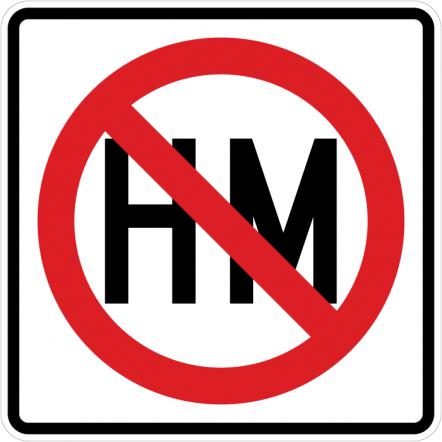 Regulatory Signs > Traffic Control Signs
Hazardous Materials Prohibited Sign - R14-3
$44.25 - $148.50
Shop on Trafficsigns.com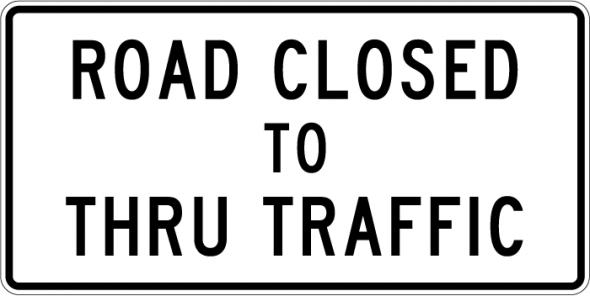 Regulatory Signs > Traffic Control Signs
Road Closed To Thru Traffic Sign - R11-4
$110.00 - $165.00
Shop on Trafficsigns.com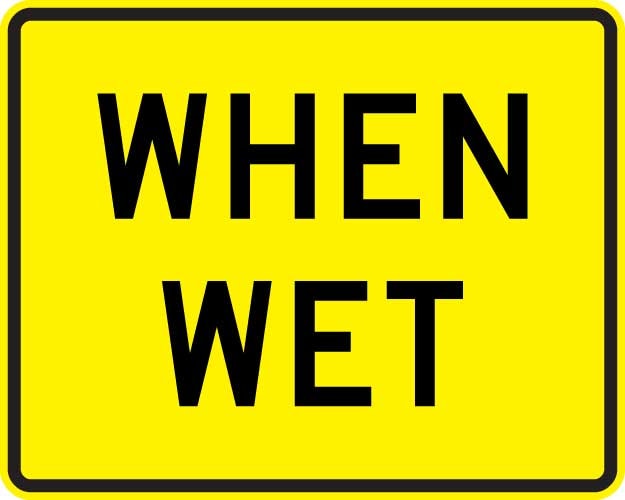 Warning Signs > Road Condition Signs
Slippery When Wet Signs - W8-5p
$21.95 - $123.75
Shop on Trafficsigns.com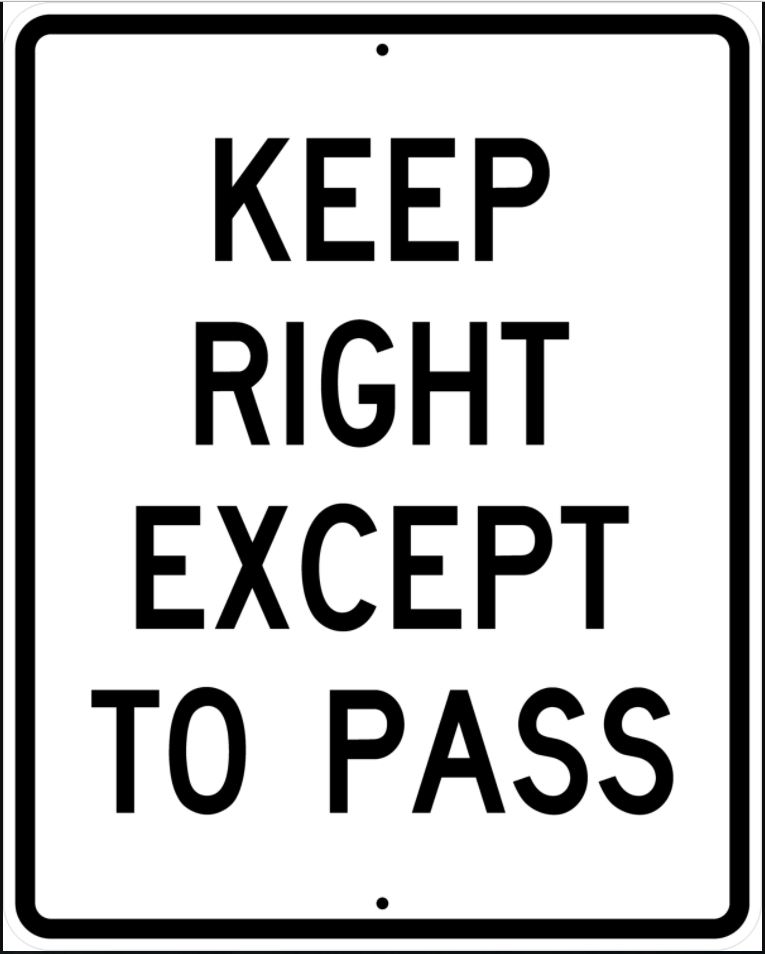 Regulatory Signs > Traffic Control Signs
Keep Right Except to Pass - R4-16
$21.95 - $92.50
Shop on Trafficsigns.comReady to Order Your Road Signs?
Browse our full selection of MUTCD compliant signs across regulatory, warning, and custom categories. Every sign ships on durable reflective aluminum with the material grade and size options to match your project.
Shop Traffic Signs for Sale