
A practical guide to selecting materials, sizes, and sign types for parking lots, private roads, and commercial properties.
Common Questions When Buying Traffic Signs
- What size traffic sign do I need for my property?
- Sign size depends on viewing distance and vehicle speed. For low-speed private roads and parking lots, 12x18 or 18x24 signs are typically sufficient. Higher-speed private roads or wider intersections often call for 24x30 or 30x30 signs so drivers have enough time to read and react. Most of our private property and regulatory signs, including the Private Property No Trespassing Sign (AR-246), are available in multiple sizes ranging from 12x18 up to 36x36 to match different site conditions.
- What material should I choose for reflective traffic signs?
- Nearly all traffic signs we sell are built on durable aluminum with reflective sheeting, since aluminum resists rust, warping, and weather damage far better than plastic alternatives. The reflective coating itself comes in three grades: engineer grade, high intensity, and diamond grade. Engineer grade works well for daytime visibility and lower-traffic areas, while high intensity and diamond grade options improve nighttime and low-light visibility for busier private roads and commercial properties.
- Do custom traffic signs need to meet MUTCD compliance?
- If a sign is intended to control or regulate traffic behavior (stop, yield, no trespassing, road closures, hazardous materials routes) it should meet DOT and MUTCD state and federal standards, even on private property. Standard shapes, colors, and reflective sheeting requirements help ensure the sign is legible and legally defensible if there's ever an incident. Custom traffic signs can still meet these standards while incorporating your property's specific wording.
- How much do traffic signs cost, and are there bulk discounts?
- Pricing varies by size and reflective grade. A 12x18 engineer grade sign like the Private Property No Trespass sign (AR-119) starts around $21.95, while larger diamond grade signs such as the Hazardous Materials Prohibited Sign (R14-3) at 36x36 run higher due to size and reflectivity. Many signs, including the R4-16 Keep Right Except to Pass sign, offer quantity-based price breaks starting at 4 units and increasing at 7, 16, and 50 units, which makes multi-sign orders more cost-effective for larger properties.
- How long does production and shipping take for custom road signs?
- Standard printable signs typically move through production faster than fully custom designs, since custom road signs require a pre-production proof for approval before printing begins. Once artwork is approved, most orders ship within a standard production window. Building in extra lead time is smart if you're coordinating sign installation with a construction schedule or property opening date.
- How do I mount traffic signs on my property?
- Most aluminum traffic signs come as standard punched blanks, meaning they're pre-drilled and ready to mount on fences, walls, posts, or U-channel posts using standard hardware. Mounting height and placement should follow line-of-sight guidelines so the sign isn't obstructed by landscaping, vehicles, or other signage. For roadside or parking lot installations, posts should be set at a height and distance that keeps the sign visible to approaching traffic.
- What's the difference between engineer grade, high intensity, and diamond grade reflective sheeting?
- Engineer grade sheeting is reflective and meets baseline visibility standards, making it a solid choice for low-traffic private roads or general property signage. High intensity sheeting reflects more light back to headlights, improving visibility at greater distances and in poor weather. Diamond grade is the brightest option, built for high-speed roads, hazardous material routes, and locations where maximum visibility and driver reaction time are critical.
Understanding the Main Types of Traffic Signs
Matching Sign Type to Your Property's Needs
Selecting the Right Material and Reflective Grade
Common Mistakes to Avoid When Choosing Traffic Signs
Sizing and Mounting Considerations for Private Property
Reflective Grade Comparison for Traffic Signs
All three reflective grades are built on durable aluminum, but they differ in brightness, cost, and ideal use case. Use this table to match reflective sheeting to your property's traffic speed and lighting conditions.
| Reflective Grade | Visibility Level | Nighttime Performance | Best Use Case | Relative Cost Tier |
|---|---|---|---|---|
| Engineer Grade | Reflective | Good | Low-speed private roads, general property signage | Base price tier |
| High Intensity | Very Reflective | Better | Higher-traffic private roads, commercial parking lots | Mid price tier |
| Diamond Grade | Ultra Reflective | Best | Hazardous materials routes, road closures, high-speed areas | Premium price tier |
Popular Traffic Signs for Private Property
These signs cover the most common needs property owners face, from deterring trespassers to controlling private road traffic. Each is built on reflective aluminum and available in multiple sizes and reflective grades.
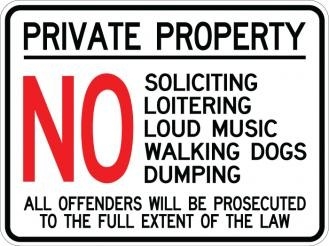
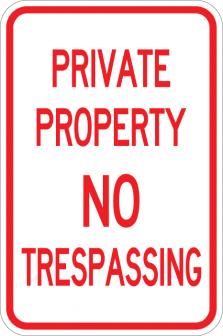 Parking Regulation Signs
Private Property No Trespass - AR-119
$21.95 - $25.95
Shop on Trafficsigns.com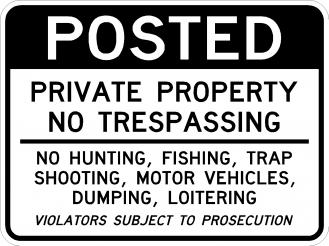 Parking Regulation Signs
Private Property No Trespassing Sign - AR-246
$21.95 - $72.45
Shop on Trafficsigns.com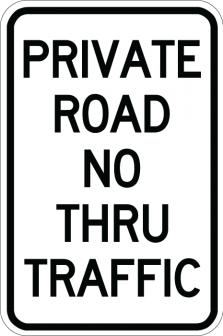 Parking Regulation Signs
Private Road No Thru Traffic - AR-706
$21.95 - $45.25
Shop on Trafficsigns.com Custom Traffic Signs
Custom Orange Reflective Aluminum Diamond - CS-D-O
$27.85 - $266.95
Shop on Trafficsigns.comReady to Order the Right Traffic Sign for Your Property?
Whether you need a standard No Trespassing sign, a regulatory sign for a private road, or a fully custom design, our team can help you choose the correct size, material, and reflective grade for your site. Browse our full selection of custom parking signs and get a sign that's built to meet your property's exact needs.
Shop Custom Traffic Signs