
Understanding State Traffic Sign Differences, MUTCD Adoption, and Compliance Requirements
Traffic sign requirements in the United States are shaped by a combination of federal guidelines and state-level authority. While the Manual on Uniform Traffic Control Devices (MUTCD) sets a national baseline, each state retains the right to adopt its own standards, add supplemental requirements, or issue unique sign designs. Whether you are a municipality, contractor, or property owner, understanding road signs by state is essential for staying compliant and keeping roads safe.
Common Buyer Questions About State-Specific Road Signs
- Do all states follow the same traffic sign standards?
- No. All states reference the federal MUTCD as a minimum standard, but each state can adopt its own version, add supplemental requirements, or approve unique sign designs for local conditions. This means specific colors, sizes, and wording can vary from state to state even for similar sign types.
- What reflective material grade do I need for my state's road signs?
- Most state and federal standards require at minimum Engineer Grade reflective sheeting for standard regulatory and warning signs. High Intensity and Diamond Grade sheeting are required in many states for high-speed roads, school zones, and critical safety applications. Our signs are available in all three grades, and all High Intensity and Diamond Grade signs meet DOT and MUTCD state and federal standards.
- What sizes are typically required for regulatory road signs?
- Standard regulatory sign sizes vary by road type and speed limit. Common sizes include 12x12, 18x18, 24x24, 30x30, and 36x36 inches for square signs, and 12x18, 18x24, and 24x30 for rectangular signs. High-speed roadways and highways often require larger sizes. Always verify your specific state's requirements before ordering.
- Can I order road signs in bulk for a municipal or county project?
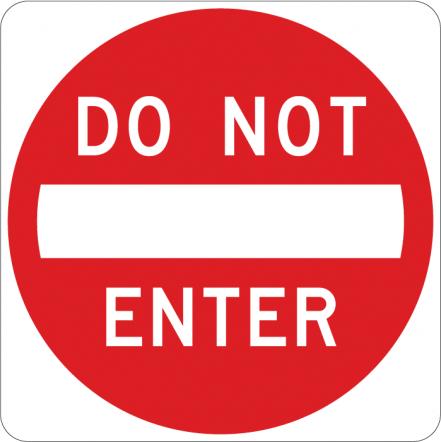
- Yes. We offer volume pricing tiers across most products. For example, the Do Not Enter Sign (R5-1) starts at $19.05 per unit in Engineer Grade at 12x12, with discounts kicking in at 4, 7, 16, and 50 units. Larger orders can reduce per-unit costs significantly. Contact us for high-volume project quotes.
- How quickly will my road signs ship after ordering?
- Production and shipping times depend on the product, material grade, and order size. Standard in-stock signs typically ship within a few business days. Custom or large-quantity orders may require additional lead time. Check the product page or contact our team for current turnaround estimates on your specific signs.
- How do I install regulatory road signs to meet state requirements?
- Most of our signs come with standard prepunched holes for straightforward mounting to posts or brackets. Installation height, lateral placement, and post type are governed by your state's MUTCD adoption and any supplemental state guidelines. Always consult your state DOT specifications before installation to ensure full compliance.
- Are your signs compliant with both state and federal DOT standards?
- Yes. All High Intensity and Diamond Grade signs we sell meet DOT and MUTCD state and federal standards. Engineer Grade signs meet baseline federal requirements and are suitable for many local road applications. If your project has specific state approval requirements, verify the required grade with your state DOT before ordering.
The Role of the MUTCD in Setting National Sign Standards
How State Traffic Sign Requirements Actually Differ
Sign Size Requirements by Road Class
The MUTCD provides minimum size recommendations based on road speed and classification. States can mandate larger sizes than those minimums. For example, some states require 30x30-inch Stop signs on all state routes, while others accept 24x24 in certain residential contexts. High-speed highways and freeways typically require larger signs universally.
Reflectivity Grade Mandates
Reflectivity requirements are one of the most significant areas of state variation. While the MUTCD requires a minimum level of retroreflectivity, some states have adopted stricter standards, requiring High Intensity or Diamond Grade sheeting on roads above a certain speed limit, in school zones, or for specific sign types such as railroad crossing signs.
Supplemental Sign Types
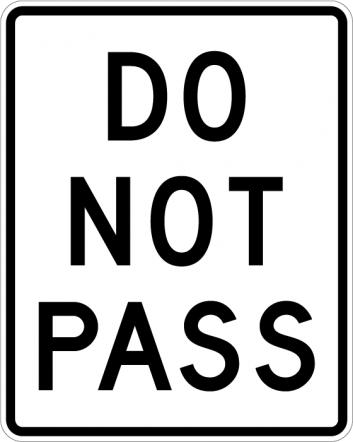
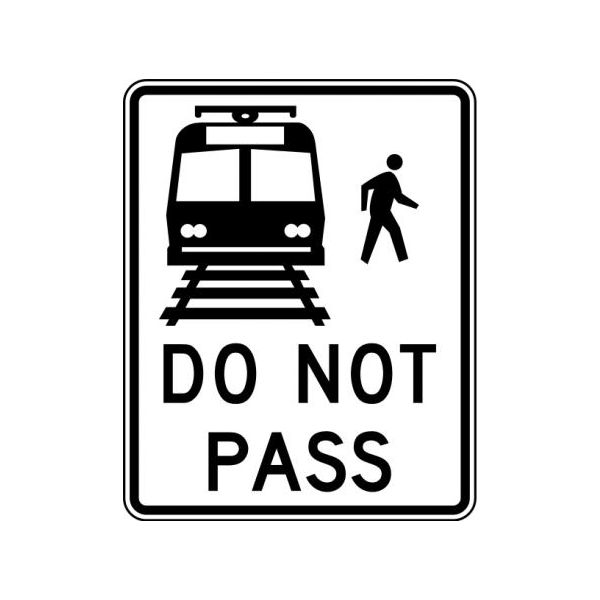
Several states have approved sign designs not found in the federal MUTCD for conditions unique to their geography, infrastructure, or traffic patterns. Light rail transit signs, for instance, are more prevalent in states with active commuter rail networks. Signs like the Do Not Pass Light Rail Transit Sign (R15-5) and Do Not Drive On Tracks Sign (R15-6a) address specific local hazards that not every state requires.
Color and Legend Variations
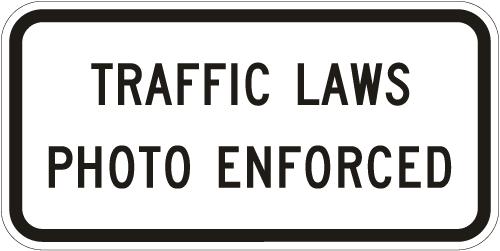
While the core color-coding system (red for prohibition, yellow for warning, green for guide signs) is standardized nationally, some supplemental and local signs vary in legend wording from state to state. Photo enforcement signs are a clear example: states that allow traffic law photo enforcement require specific signage such as the Traffic Laws Photo Enforced Sign (R10-18), while states that prohibit photo enforcement do not use this sign type at all.
Route Marking Standards
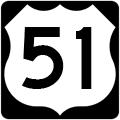
US Numbered Route signs (M1-4) follow a federal shield design, but because each state is responsible for producing and maintaining its own route markers, visual variations persist. The shield may include state-specific colors, fonts, or background treatments depending on local practice and historical convention.
State MUTCD Adoption: What You Need to Know Before Ordering
1. Current State MUTCD Edition: Contact your state DOT or check their website for the official adopted edition and any approved amendments.
2. Required Reflectivity Grade: Confirm whether Engineer Grade, High Intensity, or Diamond Grade sheeting is required for your sign type and road classification.
3. Minimum Sign Dimensions: Verify minimum size requirements for the specific sign type and the road speed limit where it will be installed.
4. Mounting and Installation Standards: Confirm required sign height, lateral offset, and post specifications per state guidelines.
5. Special Local Approvals: Some states require that non-standard signs receive explicit DOT approval before installation. Supplemental or custom signs should always be verified against state guidelines.
All High Intensity and Diamond Grade signs from Trafficsigns.com meet DOT and MUTCD state and federal standards, giving you a strong compliance baseline regardless of which state your project is located in.
Signs That Vary Most Significantly by State
Reflective Material Grades: Compliance and Use Cases by State Road Type
Selecting the correct reflective sheeting grade is critical for MUTCD compliance. The table below outlines how each grade aligns with common state road classifications and use cases.
| Material Grade | Reflectivity Level | Typical State Application | Common Sign Types | Starting Price Example |
|---|---|---|---|---|
| Engineer Grade | Standard Reflective | Low-speed local roads, residential streets, parking areas | Parking signs, local regulatory signs, permit signs | From $19.05 (R5-1, 12x12) |
| High Intensity | Very Reflective | Collector roads, arterials, school zones, rural highways | Regulatory signs, warning signs, transit signs | From $21.05 (R5-1, 12x12) |
| Diamond Grade | Ultra Reflective | High-speed highways, freeways, critical safety applications | Highway regulatory signs, freeway guide signs, transit crossing signs | From $25.05 (R5-1, 12x12) |
Shop DOT and MUTCD-Compliant Road Signs
All products below are manufactured on reflective aluminum with prepunched holes for straightforward installation. High Intensity and Diamond Grade options meet DOT and MUTCD state and federal standards.
 Regulatory Signs
Do Not Pass Light Rail Transit Sign - R15-5
$57.95 - $92.50
Shop on Trafficsigns.comNeed Help Finding the Right Signs for Your State?
Our catalog includes hundreds of regulatory, warning, guide, and parking signs built to DOT and MUTCD standards. Whether you need a single sign for a local road or a bulk order for a county-wide project, our team can help you identify the right sign type, size, and reflective grade for your state's requirements. Browse our full catalog or contact us with your project details.
Browse All Traffic Signs