
MUTCD-Compliant Warning Traffic Signs for Roads, Intersections, and Hazard Zones
Common Questions About Buying Roadway Warning Signs
- What material should I choose for outdoor roadway warning signs?
- All warning signs on trafficsigns.com are printed on reflective aluminum with standard punched holes and radius corners. You can choose between engineer grade (reflective), high intensity (very reflective), or diamond grade (ultra reflective). High intensity and diamond grade sheeting meet DOT and MUTCD state and federal standards, making them suitable for public roads and highways. For high-speed roadways or low-light environments, diamond grade is the recommended choice.
- What sizes are available for warning signs on a road?
- Warning sign sizes vary by sign type. Diamond-shaped warning signs are commonly available in 24", 30", 36", and 48" panels. Rectangular supplemental signs and plaque-style signs are available in sizes such as 18"x12", 24"x18", 30"x24", and larger. The MUTCD specifies minimum sizes based on posted speed limits and road classification, so selecting the correct size for your location is important.
- Do these signs comply with MUTCD and DOT standards?
- Yes. All high intensity and diamond grade signs sold on trafficsigns.com meet DOT and MUTCD state and federal guidelines. Each sign carries the appropriate MUTCD designation (for example, W4-5 for entering roadway merges or W8-5p for slippery when wet conditions), ensuring your installation meets regulatory requirements.
- Are bulk pricing discounts available for warning traffic signs?
- Yes. Quantity price breaks are available at 4, 7, 16, and 50 units per sign. For example, the Slippery When Wet Sign (W8-5p) starts at $21.95 each in engineer grade for a single unit and drops progressively with larger orders. Buying in bulk is a practical approach for municipalities, contractors, and property managers who need multiple signs across a site or district.
- How are the signs installed once they arrive?
- All aluminum warning signs come with 3/8" prepunched holes and radius corners, making them straightforward to mount on standard sign posts, U-channel posts, or existing hardware. No drilling is required. You will need appropriate mounting hardware such as bolts, banding straps, or sign post brackets depending on your installation method.
- How long will a roadway warning sign last outdoors?
- Reflective aluminum warning signs are built for long-term outdoor use. The aluminum substrate resists corrosion and stands up to harsh weather including rain, snow, and UV exposure. Reflective sheeting grade affects both nighttime visibility and longevity, with diamond grade providing the longest-lasting retroreflectivity. With proper mounting, these signs can last a decade or more in typical road environments.
- What is the turnaround time and how fast can signs ship?
- Production and shipping times depend on the specific sign and quantity ordered. Standard stock warning signs are typically available for prompt shipment. For large bulk orders or custom configurations, contact the Trafficsigns.com team directly to confirm lead times before placing your order.
What Are Roadway Warning Signs?
The 5 Main Types of Warning Signs on a Road
When Are Roadway Warning Signs Required?
- Intersections with restricted sight distance
- Lane merges, drops, or shifts that are not obvious well in advance
- School zones with active pedestrian crossings during school hours
- Railroad grade crossings (advance warning is required by federal regulation)
- Road surfaces prone to ice, flooding, or slippery conditions
- Locations with documented crash histories related to specific hazards
Understanding the 4 Types of Road Signs
Reflective Sheeting Grades for Roadway Warning Signs
Selecting the right reflective grade affects both nighttime visibility and compliance. The table below compares the three grades available on trafficsigns.com for warning signs.
| Grade | Reflectivity Level | MUTCD Compliance | Best Application | Relative Cost |
|---|---|---|---|---|
| Engineer Grade | Reflective | Meets minimum standards for low-speed and off-road uses | Private roads, parking areas, low-speed zones | Lowest |
| High Intensity | Very Reflective | Meets DOT and MUTCD state and federal standards | Local roads, secondary roads, school zones | Mid-range |
| Diamond Grade | Ultra Reflective | Meets DOT and MUTCD state and federal standards | Highways, high-speed roads, long-sight-distance locations | Highest |
Featured Roadway Warning Signs
The following signs represent some of the most commonly installed warning traffic signs across roads, school zones, and hazard locations. All are manufactured on reflective aluminum with prepunched mounting holes and are available in multiple sizes and sheeting grades.
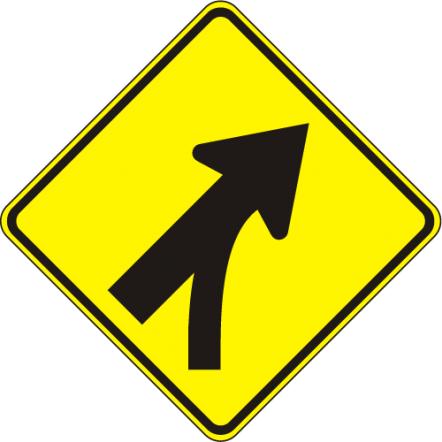 Warning Signs / Road Condition Signs
Entering Roadway Merge Sign - W4-5
$44.25 - $256.95
Shop on Trafficsigns.com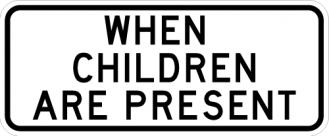 Warning Signs / School Zone Signs
When Children Are Present Sign - S4-2
$22.10 - $59.95
Shop on Trafficsigns.com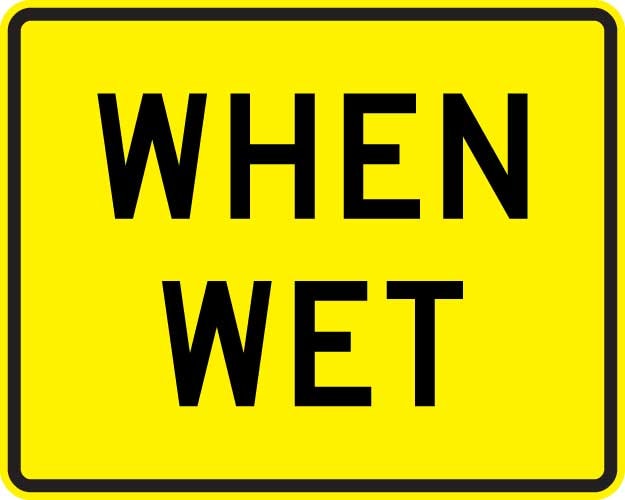 Warning Signs / Road Condition Signs
Slippery When Wet Signs - W8-5p
$21.95 - $123.75
Shop on Trafficsigns.com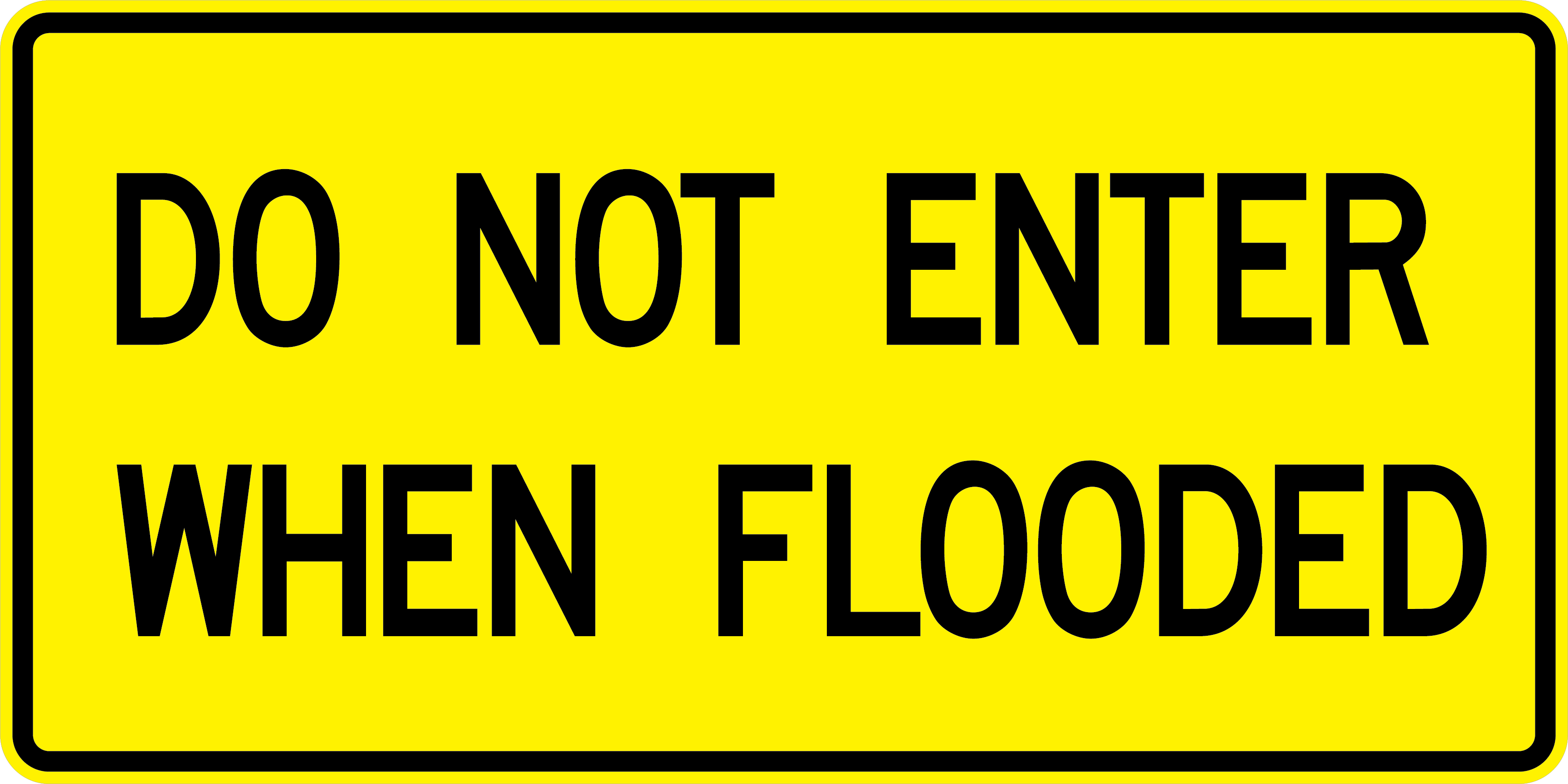 Warning Signs / Road Condition Signs
Do Not Enter When Flooded Warning Sign - W8-103
$86.25 - $123.75
Shop on Trafficsigns.com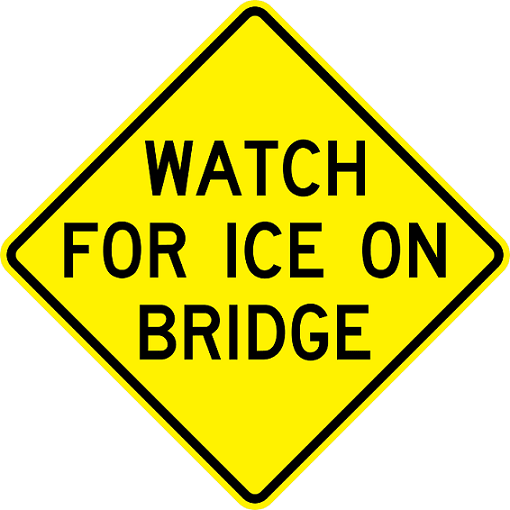 Warning Signs / Road Condition Signs
Watch For Ice On Bridge - W19-2
$44.25 - $256.95
Shop on Trafficsigns.comFind the Right Warning Sign for Your Road
Trafficsigns.com carries a comprehensive inventory of MUTCD-compliant roadway warning signs in multiple sizes and reflective grades. Whether you need a single school zone sign or a bulk order for a municipal road project, volume pricing and fast shipping make it straightforward to keep roads safe and compliant.
Shop All Warning Signs