
Reflective aluminum signage that keeps patients, visitors, and emergency vehicles moving safely across your campus
Common Questions From Hospital Facilities Buying Traffic Signs
- What material holds up best for hospital traffic signs installed outdoors year-round?
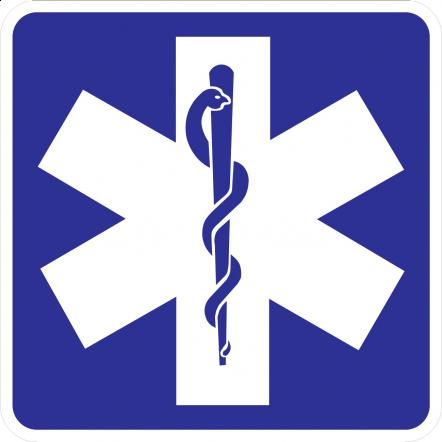
- Reflective sheeting on .080 aluminum is the standard for outdoor hospital signage because it resists rust, fading, and impact from weather. Signs like the Emergency Medical Services Symbol Sign (D9-13) are available in engineer grade (reflective), high intensity (very reflective), and diamond grade (ultra reflective) sheeting. Engineer grade works well for lower-traffic interior campus roads, while high intensity or diamond grade is recommended for ambulance routes and main entrances where nighttime visibility matters most.
- What sizes are available for hospital directional and emergency access signs?
- The Emergency Medical Services Symbol Sign (D9-13) is available from 12x12 up to 30x30 inches, and the Emergency Medical Care Plaque Sign (D9-13CP) ranges from 24x18 to 30x24 inches. For campus wayfinding, entrance markers, or building-specific signage that doesn't fit a standard MUTCD size, custom reflective aluminum signs can be ordered in diamond, square, vertical, or horizontal formats to match your layout.
- Can hospital signs be customized with our facility name, building number, or department legend?
- Yes. Plaque-style signs such as the D9-13CP are designed to carry custom legends (for example, a specific building name or department), and for signage outside the standard MUTCD library, custom reflective aluminum signs let you set the exact text, layout, and diamond, square, or rectangular shape your facility needs.
- How much do hospital traffic signs cost, and is bulk pricing available for large campuses?
- Pricing depends on size and reflective grade. The Emergency Medical Services Symbol Sign (D9-13) starts at $19.05 in engineer grade at 12x12 inches, and the No Parking Fire Lane sign (AR-222) starts at $21.95. Most signs include quantity break pricing at 4, 7, 16, and 50 units, which makes it cost-effective for hospitals ordering signage for multiple entrances, parking structures, or campus buildings at once.
- How long does it take to produce and ship hospital parking and safety signs?
- Standard MUTCD-compliant signs like the D9-13 and AR-222 are stocked in common sizes and reflective grades, so they typically move through production quickly. Custom-legend plaques and large-format or non-standard shapes may require additional time for artwork approval before printing, so it's worth submitting custom text or logo requirements early if you're ordering for a facility opening or renovation deadline.
- How are hospital parking lot signs typically mounted and installed?
- Reflective aluminum signs come with 3/8 inch prepunched holes and radius corners, which allow standard mounting to U-channel posts, wall brackets, or existing sign frames. This applies to fire lane signs, drop-off signs, and directional plaques alike, so facilities teams can install a mix of sign types without needing specialized hardware.
- Do these signs meet MUTCD and ADA requirements for medical facilities?
- High intensity and diamond grade reflective signs, including the D9-13 series, are manufactured to meet DOT and MUTCD state and federal guidelines. This matters for hospitals since the MUTCD specifically addresses signage for facilities included in a regional Emergency Medical Services system. Handicap parking signs and accessible loading zone signage follow similar compliance standards for ADA accessibility.
Types of Hospital Traffic Signs Every Campus Needs
Hospital Traffic Signs and Symbols Explained
Comparing Reflective Sheeting Grades for Hospital Signage
Not every sign on a hospital campus needs the same level of reflectivity. A directional sign inside a parking garage sees different lighting conditions than a sign marking the ambulance bay off a main road. Reflective aluminum signs like the D9-13 and D9-13CP are available in three sheeting grades, and choosing the right one for each location on your property balances visibility against budget. Fire lane signs such as the AR-222 and drop-off signs like the AR-775 are typically offered in engineer grade or high intensity, since these locations are usually well-lit and lower speed compared to primary ambulance routes.
| Reflective Grade | Reflectivity Level | Best For on Hospital Campuses | Example Pricing (D9-13, 12x12) |
|---|---|---|---|
| Engineer Grade | Reflective | Interior campus roads, parking garage levels, and low-speed visitor routes with adequate lighting | $19.05 |
| High Intensity Prismatic | Very Reflective | Ambulance approach roads, main entrance drives, and fire lanes where nighttime traffic is common | $21.05 |
| Diamond Grade | Ultra Reflective | Primary EMS and trauma center entrances, 24/7 ambulance bays, and perimeter roads with higher speeds or limited lighting | $25.05 |
Hospital Traffic Signs and Emergency Access Products
 Guide Signs / Service Signs
Emergency Medical Services Symbol Sign - D9-13
$19.05 - $111.95
Shop on Trafficsigns.com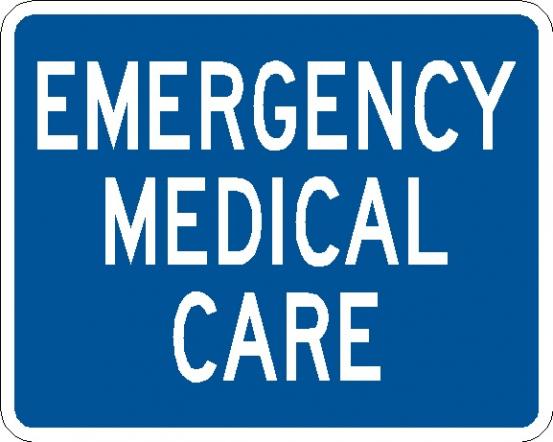 Guide Signs / Service Signs
Emergency Medical Care (Plaque) Sign - D9-13CP
$33.25 - $92.50
Shop on Trafficsigns.com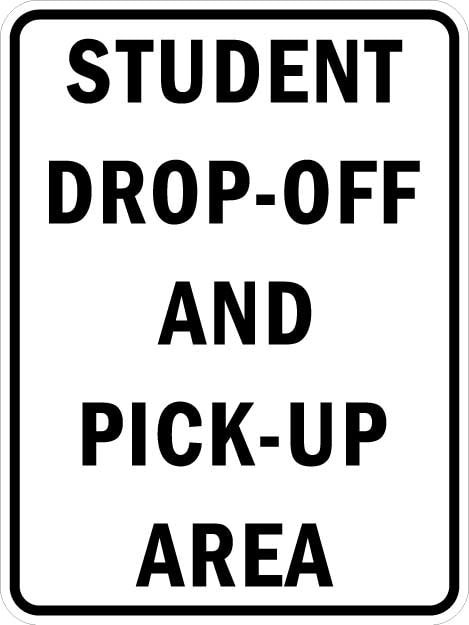 Parking Signs / Reserved Parking
Student Drop-Off and Pick-Up Sign - AR-775
$21.95 - $25.95
Shop on Trafficsigns.com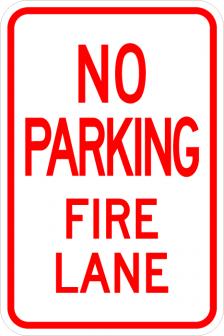 Parking Signs / No Parking
No Parking Fire Lane Sign - AR-222
$21.95 - $45.25
Shop on Trafficsigns.comOutfit Your Hospital Campus With Reliable Traffic Signage
From ambulance entrance signs to fire lane enforcement and patient drop-off zones, the right traffic signs keep your facility safe, compliant, and easy to navigate. Order MUTCD-compliant reflective aluminum signs or work with our team on custom hospital signage sized and labeled for your campus.
Shop Custom Hospital Signs