
Regulatory, warning, and wayfinding signage built for loading docks, drive aisles, and forklift zones
Warehouse Traffic Signs: Common Buyer Questions
- What size warehouse traffic signs do I need for drive aisles and loading docks?
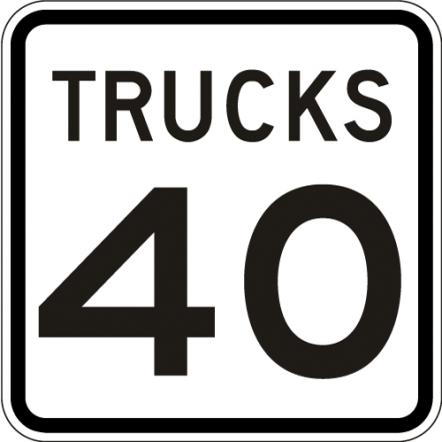
- Sizing depends on aisle width, vehicle speed, and viewing distance. For interior forklift aisles and dock approach lanes, 24 inch by 24 inch or 24 inch by 18 inch signs are common and offer good visibility without overwhelming tight spaces. For exterior truck yards where drivers approach at higher speed, step up to 30 inch by 30 inch or 36 inch by 36 inch, similar to the sizing available on the Truck Speed Limit Sign R2-2. Pedestrian-focused signs like the Pedestrian Crossing Stop Sign R1-6a are typically sized 12 inch by 36 inch for mounting at crosswalk approaches.
- What material holds up best for outdoor warehouse yards and truck courts?
- Permanent traffic and regulatory signs (stop signs, speed limit signs, truck route signs) are built on aluminum standard punched blanks and are available in engineer grade, high intensity, or diamond grade reflective sheeting. High intensity and diamond grade hold up better in dark yards, poor weather, and areas with limited overhead lighting. If you also need temporary or supplemental banner signage, such as marking off a renovation zone or a seasonal safety push, an 18 oz blockout vinyl banner is rated for 5+ years of outdoor use on long-run installs, while a lighter mesh vinyl banner works well on chain-link fencing around a construction or staging area.
- Are warehouse traffic signs OSHA and MUTCD compliant?
- Our reflective aluminum signs meet DOT and MUTCD state and federal standards for road signage, which gives you a recognizable, standardized design language that drivers and pedestrians already understand. OSHA does not publish its own sign designs for internal traffic, but under the general duty clause, facilities are expected to mark vehicle and pedestrian routes, control speed, and separate foot traffic from forklifts and trucks. Using MUTCD-style signage, such as stop signs, speed limit signs, and pedestrian crossing signs, is widely accepted as a practical way to demonstrate that separation and control.
- Can I order warehouse traffic signs in bulk for multiple facilities?
- Yes. Most signs use tiered volume pricing, so per-unit cost drops as order quantity increases. For example, the R2-2 Truck Speed Limit Sign starts at 44.25 dollars in engineer grade at 24 inch by 24 inch and drops with quantity breaks at 4, 7, 16, and 50 units. If you're outfitting several loading docks or a multi-building distribution center, ordering in bulk across matching sign types keeps your facility's signage consistent and lowers overall spend.
- How fast can I get warehouse traffic signs produced and shipped?
- Because these signs are built on standard punched aluminum blanks with fixed MUTCD-compliant designs, production is straightforward and turnaround is fast compared to fully custom signage. Reflective sheeting (engineer grade, high intensity, or diamond grade) is applied to stock sizes, which keeps lead times short so you can get stop signs, loading dock signs, and speed limit signs installed without long delays.
- How do I install warehouse traffic signs, and what mounting options are available?
- Aluminum traffic signs come with standard punched blanks, which mount directly to U-channel posts, square posts, or wall-mounted brackets using common hardware. For yard entrances and dock approach lanes, post-mounted signs at standard traffic height work best. For interior forklift crossings and pedestrian walkways, wall-mounted or lower post-mounted placement near eye level improves visibility in tighter aisles.
- Do you offer forklift safety signs to go with forklift hand signal training?
- We carry durable, reflective forklift crossing and pedestrian crossing signage designed to mark the physical points where forklift and foot traffic intersect, such as the Bicycle and Pedestrian Crossing Sign W11-15. These physical signs work best alongside your facility's forklift hand signal training and internal safety briefings. Signage marks the hazard consistently at the location; training teaches employees how to communicate around it. Facilities that pair both tend to see the biggest drop in near-miss incidents.
Types of Warehouse Traffic Signs and Where to Use Them
Loading zone signs and loading dock signs handle a more specific job: telling drivers exactly where to park, back in, or wait. Options like the No Parking Commercial Loading Zone Sign AR-214 and the Loading Zone Plaque Sign R8-3gP help keep dock aprons clear for active deliveries and prevent drivers from blocking bays reserved for scheduled trucks. If your facility handles bus deliveries or shuttle service, the No Parking Bus Loading Zone Sign AR-228 fills a similar role for that traffic type.
Warehouse parking signs address the employee and visitor side of the lot. Reserved spaces, accessible parking near entrances such as the Accessible Passenger Loading Zone Sign AR-731, and general no-parking zones near fire lanes or dock approaches all reduce congestion before it becomes a hazard.
Forklift crossing signs and pedestrian crossing signs are where most warehouse injuries can be prevented. Placing a sign like the Pedestrian Crossing Stop Sign R1-6a at every point where foot traffic crosses an active forklift or truck route gives both drivers and pedestrians a clear, consistent cue to slow down and check for cross traffic.
OSHA Considerations for Distribution Center and Logistics Facilities
Using MUTCD-style regulatory and warning signs gives you a documented, standardized approach that's easy to defend during a safety review. A Cross Traffic Does Not Stop Sign W4-4P at an uncontrolled interior intersection, paired with speed limit signage and stop signs at higher-risk crossings, shows a documented effort to control traffic flow rather than leaving it to chance.
For facilities running night shifts or operating in low-light dock areas, upgrading from engineer grade to high intensity or diamond grade reflective sheeting is worth the incremental cost. The Night Speed Limit Sign R2-3 is built specifically for facilities that run different speed limits after dark, which is a detail that's easy to overlook during a daytime walkthrough but matters a great deal to third-shift crews.
Planning Traffic Flow for Forklifts, Trucks, and Pedestrians
Speed limits inside a warehouse yard are usually set lower than public roads, often in the 5 to 15 mph range depending on aisle width and pedestrian density. A Combined Speed Limit Sign R2-4a can post two speed thresholds on a single sign, useful for yards that run a lower limit near dock doors and a slightly higher limit through open transit lanes. Where a construction or renovation project temporarily narrows a route, an End Work Zone Speed Limit Sign R2-12 marks the point where normal speed resumes, which helps prevent drivers from creeping back up to full speed too early.
Finally, don't overlook minimum speed requirements on long straight yard runs. A Minimum Speed Limit Sign R2-4 keeps slow-moving vehicles from creating bottlenecks in lanes meant for through traffic, which matters more than most facility managers expect once yard volume picks up during peak shipping season.
Reflective Sheeting Grades: Engineer, High Intensity Prismatic, and Diamond Grade
Every aluminum traffic sign on this page can be ordered in one of three reflective sheeting grades. The grade you choose affects how well a sign performs at night, in bad weather, or at a distance, and it directly affects price. Here's how the three grades compare so you can match sheeting to the risk level of each location in your facility.
| Sheeting Grade | Reflectivity Level | Typical Cost vs. Engineer Grade | Best Use in a Warehouse Setting |
|---|---|---|---|
| Engineer Grade | Standard reflectivity, adequate for daytime viewing and well-lit interior spaces | Baseline price (for example, the R2-2 Truck Speed Limit Sign starts at 44.25 dollars at 24 inch by 24 inch) | Interior forklift aisles, dock areas with consistent overhead lighting, and daytime-only operations |
| High Intensity Prismatic | Noticeably brighter than engineer grade, with better reflectivity at wider viewing angles and in headlight glare | Roughly 15 to 20 percent more than engineer grade (52.35 dollars for the same R2-2 sign at 24 inch by 24 inch) | Exterior truck yards, dusk-to-dawn operations, and dock approach lanes with limited overhead lighting |
| Diamond Grade | Highest reflectivity available, holding brightness at long distances and steep viewing angles better than either other grade | Roughly 60 to 65 percent more than engineer grade (73.35 dollars for the same R2-2 sign at 24 inch by 24 inch) | 24/7 facilities, high-speed truck courts, night shift operations, and locations with heavy fog, rain, or snow |
Popular Warehouse Traffic Signs
These are the sign types facility managers order most often to control truck traffic, protect pedestrians, and keep loading docks moving safely.
 Regulatory Signs / Speed Limit Signs
Truck Speed Limit Sign - R2-2
$44.25 - $256.95
Shop on Trafficsigns.com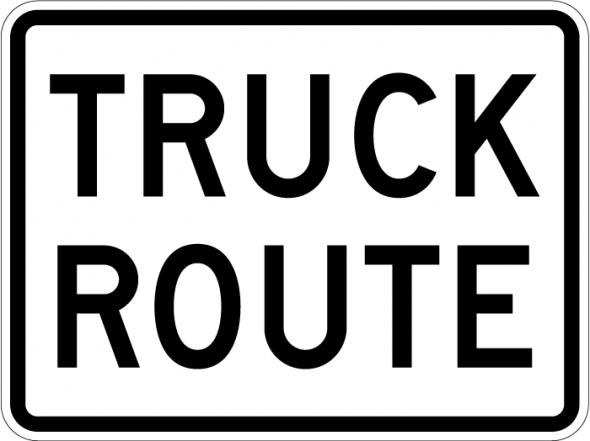 Regulatory Signs / Traffic Control Signs
Truck Route Sign - R14-1
$33.25 - $58.25
Shop on Trafficsigns.com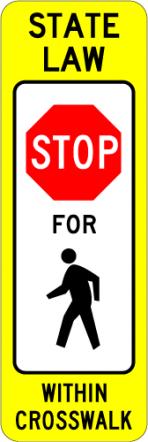 Regulatory Signs / Stop-Yield Signs
Pedestrian Crossing Stop Sign - R1-6a
$33.25 - $58.25
Shop on Trafficsigns.com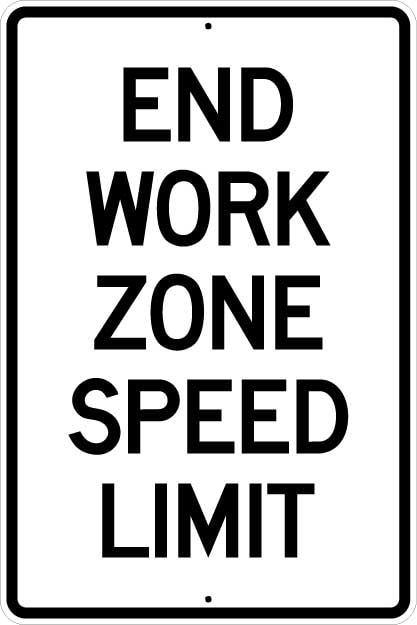 Regulatory Signs / Speed Limit Signs
End Work Zone Speed Limit Sign - R2-12
$69.95 - $111.95
Shop on Trafficsigns.com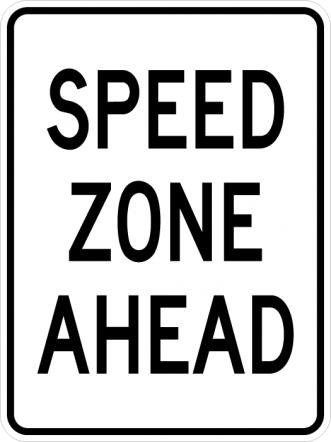 Regulatory Signs / Speed Limit Signs
Speed Zone Ahead Sign - R2-5c
$33.25 - $92.50
Shop on Trafficsigns.comEquip Your Facility with Reliable Warehouse Traffic Signs
Whether you're outfitting a single loading dock or standardizing signage across an entire distribution network, the right combination of speed limit signs, stop signs, and pedestrian crossing signs makes your facility safer and easier to navigate. Browse our industrial truck route signage recommendations and build a signage plan that fits your yard layout and OSHA safety goals.
Explore Industrial Truck Route Signs