
Clearing up the 'taffic signs' misspelling and showing you exactly where to find regulatory, warning, guide, and parking signs online.
If you searched for 'taffic signs,' you landed in the right place, though the correct spelling is traffic signs (with the 'r' after the 't'). It's one of the most common typos in search, right up there with dropped letters in longer compound words. Whatever brought you here, this guide covers the correct terminology, the full range of traffic sign types, the materials that make them durable, and a curated selection of products you can buy today from Trafficsigns.com.
Common Questions From Buyers
- Is 'taffic signs' the correct spelling, or should it be 'traffic signs'?
- The correct spelling is traffic signs. 'Taffic signs' is a misspelling that happens when the letter 'r' gets dropped while typing quickly. Search engines are generally smart enough to connect the two, but if you're writing specs, purchase orders, or product descriptions, always use 'traffic signs' for accuracy and professionalism.
- What materials are traffic signs made from, and how durable are they outdoors?
- Most traffic signs sold on Trafficsigns.com use .080 aluminum with reflective sheeting, which resists rust, cracking, and fading in sun, rain, and snow. Reflective coatings are available in three grades: Engineer Grade for standard reflectivity, High Intensity for brighter nighttime visibility, and Diamond Grade for maximum reflectivity in low-light or high-speed areas. Engineer Grade works for white and red regulatory signs and parking signs, but the MUTCD doesn't allow it on yellow or fluorescent yellow-green warning signs or orange work zone signs, which need High Intensity or Diamond Grade.
- What sizes do traffic signs come in, and how do I choose the right one?
- Sizing depends on the sign type and its intended use. Smaller formats like 12x12 or 12x18 work well for parking lots, private property, and pedestrian areas, while larger 24x24, 30x30, or 36x36 signs are typically used for roadways, recreation areas, and locations where drivers need more distance to read and react. If you're unsure, match your size to similar signs already installed at your site or check the MUTCD size tables for your sign and road type. Many road signs have minimum sizes; a STOP sign, for example, is at least 30x30 inches on public roads.
- Can I customize wording or layout, and what file formats are accepted for custom signs?
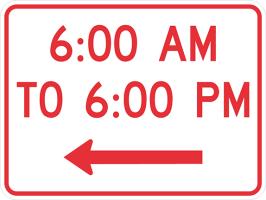
- Many signs, including plaques like the Custom Times of Day (Plaque) Sign, support custom text or scheduling details. For fully custom designs, vector files (AI, EPS, or high-resolution PDF) produce the cleanest results on reflective sheeting. If you're building signage from scratch rather than ordering a stock design, blank aluminum stock such as 12x12 square aluminum traffic sign blanks gives you a durable base to work from. For signs on public roads, keep in mind that the MUTCD requires standard wording, so custom text is best for parking, private property, and plaques that allow it.
- How does bulk pricing work for traffic signs?
- Pricing drops as order quantity increases. Most signs have tiered discounts starting around 4 units, with additional price breaks at 7, 16, and 50 units. For example, a sign priced at $34.15 per unit for Engineer Grade can drop to around $28.69 per unit once you order 50 or more. This makes it cost-effective for municipalities, HOAs, and property managers to stock up on recurring sign needs.
- How are traffic signs installed, and what mounting hardware do I need?
- Signs ship with standard 3/8 inch prepunched holes and radius corners, ready for U-channel posts, square tube posts, or wall mounting with bolts, brackets, or sign clips depending on your setup. Most installations require a post, mounting hardware, and basic tools, no specialty equipment needed for standard aluminum signs.
- How should I care for and store traffic signs after installation or between uses?
- Clean reflective signs with mild soap and water, avoiding abrasive pads that can scratch the reflective coating. Store spare signs flat or upright in a dry area away from direct sun to preserve reflectivity over time. Routine inspection for fading, bending, or hardware wear helps signs stay compliant and visible for years.
Traffic Sign Types: What's Out There and What Each One Does
Standard Colors and Shapes: Why Design Isn't Random
Materials and Reflectivity: What Actually Makes a Sign Durable
How Traffic Signs Are Maintained in the Field
Reflective Sheeting Grades Compared
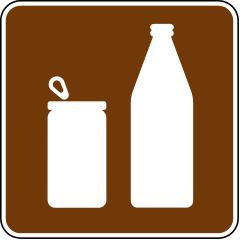
Here's how the three standard reflective grades stack up on an 18x18 sign, using pricing for a product like the recreation-category Cans or Bottles sign as an example.
| Grade | Visibility Level | Typical Use Case | Base Price (18x18) |
|---|---|---|---|
| Engineer Grade | Standard reflectivity | Low-speed roads, private lots, short viewing distance | $34.15 |
| High Intensity | Enhanced nighttime visibility | Moderate-traffic roads and residential areas | $36.15 |
| Diamond Grade | Maximum reflectivity | High-speed roadways and critical safety locations | $47.15 |
Designing or Customizing a Sign: Where to Start
Popular Traffic Signs to Buy Now
A sample of the regulatory, guide, and parking signs available on Trafficsigns.com, each built on reflective aluminum and offered in multiple sizes and reflective grades.
 No Parking Signs
Custom Times of Day (Plaque) Sign - R8-3hP
$21.95 - $58.25
Shop on Trafficsigns.com
 Parking Regulation
Reserved For Employee of the Month Sign - AR-148
$21.95 - $25.95
Shop on Trafficsigns.comReady to Find the Right Traffic Sign?
Browse the full catalog of regulatory, warning, guide, and parking signs, all built to DOT and MUTCD standards with reflective aluminum construction. Whether you need a single replacement sign or a bulk order for a property-wide signage upgrade, you'll find compliant options ready to ship.
Shop Guide Signs