
Understanding Road Warning Signs, MUTCD Standards, and How to Choose the Right Sign for Your Needs
Road warning signs alert drivers to potential hazards ahead, giving them time to adjust speed and behavior before reaching a dangerous area. From sharp curves and school zones to icy bridges and pedestrian crossings, these signs are a critical layer of the traffic safety system. Whether you manage a municipal road network, a private property, or a construction zone, using the correct warning signs in compliance with MUTCD standards helps protect everyone on the road.
Frequently Asked Questions About Buying Warning Signs
- What materials are road warning signs made from?
- Standard road warning signs are constructed from reflective sheeting bonded to aluminum substrates. At Trafficsigns.com, you can choose between Engineer Grade (reflective), High Intensity (very reflective), and Diamond Grade (ultra reflective) sheeting. High Intensity and Diamond Grade materials meet DOT and MUTCD state and federal standards, making them suitable for public roads and high-speed environments.
- What sizes are available for diamond warning signs?
- Diamond warning signs are available in multiple sizes to suit different road speeds and sight-distance requirements. Common sizes include 24x24 inches, 30x30 inches, 36x36 inches, and 48x48 inches. Larger signs are typically used on higher-speed roads where drivers need more advance notice of a hazard.
- Can I order a custom yellow warning sign with my own design?
- Yes. The Custom Yellow Reflective Aluminum Diamond (CS-D-Y) allows you to print your own message or symbol on a standard yellow diamond blank. A pre-production proof is provided for your approval before manufacturing begins. Signs are available from 12x12 inches up to 48x48 inches with Engineer Grade, High Intensity, or Diamond Grade reflective sheeting.
- Do warning signs from Trafficsigns.com meet MUTCD standards?
- All High Intensity and Diamond Grade signs sold on Trafficsigns.com meet DOT and MUTCD state and federal guidelines. If your installation is on a public road or must comply with specific regulatory requirements, selecting High Intensity or Diamond Grade reflective sheeting will keep you in compliance.
- Are bulk discounts available on warning signs?
- Yes. Pricing tiers are available for most standard and custom warning signs. For example, the Custom Yellow Reflective Aluminum Diamond in 24x24 Engineer Grade drops from $55.95 each at single-unit pricing to $36.93 each when ordering 20 or more. Discounts increase with quantity, so ordering in bulk reduces per-unit cost significantly.
- How are warning signs installed?
- Most aluminum warning signs come with 3/8-inch prepunched holes and radius corners, making them straightforward to mount on standard sign posts or U-channel posts using appropriate hardware. Pavement markers like the 4-inch Yellow Ceramic Pavement Marker are installed using butyl pads or an epoxy kit directly onto the road surface.
- How long do reflective aluminum warning signs last outdoors?
- Reflective aluminum signs are built for long-term outdoor use. The aluminum substrate resists corrosion, and the reflective sheeting is designed to maintain visibility over years of exposure to UV, rain, and temperature changes. Diamond Grade sheeting offers the longest service life and highest retroreflectivity, making it ideal for permanent installations on public roads.
What Are Warning Signs on the Road?
In the United States, the Manual on Uniform Traffic Control Devices (MUTCD) governs the design, placement, and use of all traffic signs on public roads. The MUTCD specifies that warning signs should be used where it is not practical to eliminate the hazard itself, and that they must be placed far enough in advance to give drivers adequate response time.
The standard shape for warning signs in the U.S. is the diamond (square on point), and the standard background color is yellow. This combination has been in use long enough that most drivers immediately associate a yellow diamond sign with a potential hazard ahead. Orange diamond signs are used specifically in construction and work zones to distinguish those hazards from permanent road conditions.
Types of Warning Signs and Where They Are Used
Yellow Warning Signs: Color, Shape, and Meaning
The MUTCD specifies yellow as the standard background color for most permanent warning signs. Fluorescent yellow-green is used for pedestrian, bicycle, and school warning signs in many jurisdictions because research has shown it improves visibility during dawn, dusk, and overcast conditions.
Orange is reserved for temporary traffic control zones, including construction, maintenance, and utility work. Using orange signs outside of a work zone, or yellow signs inside one, creates confusion and can undermine the safety function of both.
For permanent installations, a yellow reflective aluminum diamond sign communicates a fixed road hazard. For custom applications where a standard MUTCD symbol does not exist for a specific condition, a custom yellow diamond sign allows you to communicate that hazard clearly while maintaining the visual language drivers already understand.
Sign reflectivity matters as much as color. A sign that is clearly visible in daylight but difficult to read at night provides only partial protection. Engineer Grade reflective sheeting is appropriate for low-speed private roads and off-road applications. High Intensity and Diamond Grade sheeting should be used on public roads, high-speed environments, and anywhere nighttime visibility is critical.
MUTCD Standard for Warning Sign Placement
Warning Sign Reflective Sheeting Comparison
Choosing the right reflective material affects visibility, compliance, and long-term durability. The table below compares the three sheeting grades available on Trafficsigns.com for warning signs.
| Feature | Engineer Grade | High Intensity | Diamond Grade |
|---|---|---|---|
| Reflectivity Level | Standard Reflective | Very Reflective | Ultra Reflective |
| MUTCD / DOT Compliance | Low-speed private roads | Meets DOT and MUTCD standards | Meets DOT and MUTCD standards |
| Typical Application | Private property, low-speed roads | Municipal roads, school zones | High-speed highways, critical hazard zones |
| Nighttime Visibility | Good | Very Good | Excellent |
| Lifespan (Outdoor) | 7+ years | 10+ years | 10+ years |
| Sample Price (24x24 Diamond Sign) | $55.95 each | $65.95 each | $89.95 each |
| Bulk Pricing Available | Yes | Yes | Yes |
Warning Signs and Accessories Available at Trafficsigns.com
The products below represent a range of warning sign solutions for road safety, school zones, road conditions, and custom applications. All aluminum signs feature radius corners and prepunched mounting holes for straightforward installation.
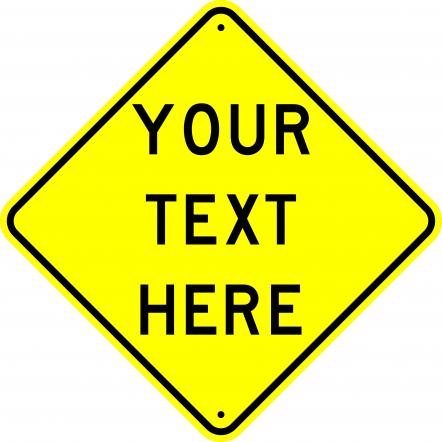 Custom Warning Signs
Custom Yellow Reflective Aluminum Diamond - CS-D-Y
From $27.85
Shop on Trafficsigns.com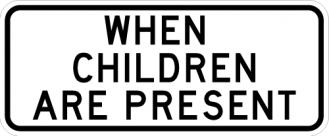 School Zone Warning Signs
When Children Are Present Sign - S4-2
From $22.10
Shop on Trafficsigns.com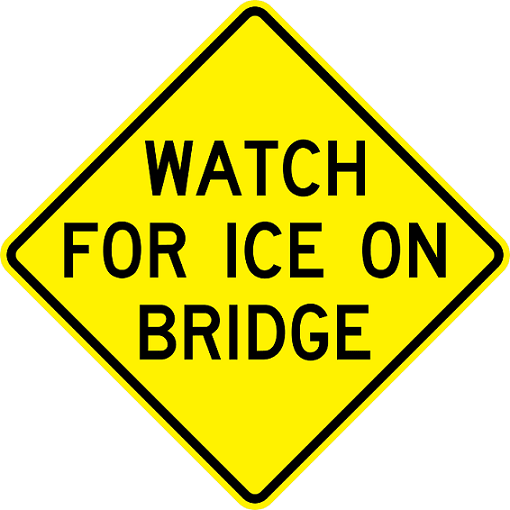
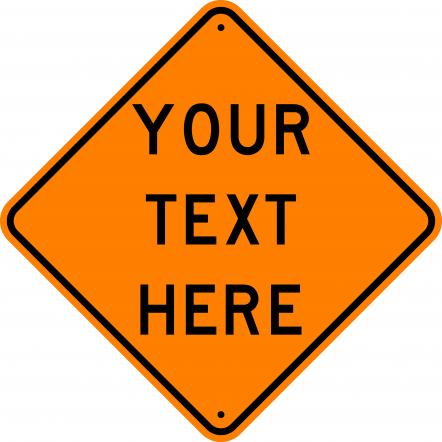 Work Zone Warning Signs
Custom Orange Reflective Aluminum Diamond - CS-D-O
From $27.85
Shop on Trafficsigns.com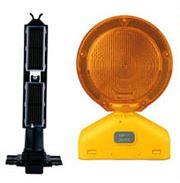 Warning Sign Accessories
Type A, C and 3 Way Solar LED Warning Light - RSPBL3LDYYSA
From $53.95
Shop on Trafficsigns.comFind the Right Warning Sign for Your Road or Property
Trafficsigns.com carries a full range of road warning signs, school zone signs, road condition signs, and custom diamond signs built to MUTCD standards. All signs ship on aluminum with reflective sheeting and prepunched mounting holes. Bulk pricing is available on most products, and custom signs include a pre-production proof before your order is manufactured.
Shop Warning Signs