
Site plan approval and your certificate of occupancy often depend on installing the right regulatory, ADA, and fire lane signage before opening day.
Bringing a new commercial development from groundbreaking to occupancy involves far more than paving parking lots and installing lighting. Local jurisdictions, fire marshals, and ADA requirements all dictate specific commercial development traffic signs that must be in place before inspectors sign off. From ADA parking signs and fire lane signs to stop signs, speed limit signs, and pedestrian crossing signs, getting site signage right the first time keeps your project on schedule and your property in compliance for years to come.
Commercial Development Signage: Common Buyer Questions
- What traffic signs are legally required before a new commercial development can open?
- Requirements vary by city and county, but most jurisdictions require a baseline package before issuing a certificate of occupancy: fire lane signs approved by the fire marshal, ADA-compliant accessible parking signs, and any regulatory signs (stop signs, speed limit signs) called out on your approved site plan. Loading zone signs and pedestrian crossing signs are often added based on the building's use. Many developers save time by ordering a pre-configured fire lane and no parking sign kit that covers the most commonly cited requirement during inspection.
- How many ADA parking signs does my commercial property need?
- The count is tied to your total parking space count under ADA and state accessibility codes, and most municipalities require at least one van-accessible space with signage for smaller lots, scaling up as total spaces increase. Because ratios differ by state and local amendment, confirm the exact number with your building department before finalizing your site plan. An accessible passenger loading zone sign is also commonly required near main entrances for drop-off areas.
- What size traffic signs are used in commercial parking lots versus access roads?
- Sign size is generally tied to approach speed and viewing distance under MUTCD standards. Parking lot regulatory signs like no parking or loading zone signage typically run 12x18 or 18x24 inches, while higher-speed access roads and drive aisles feeding public streets often require 24x30 or 36x48 inch signs for adequate visibility. Your civil engineer or traffic consultant should specify sizing on the approved site plan.
- Do I need fire lane signs even if my development is a small standalone building?
- In most jurisdictions, yes. Any structure that requires fire apparatus access, regardless of square footage, typically needs marked and signed fire lanes. Fire marshals commonly specify sign spacing every 50 to 100 feet along the curb or building frontage. Because this is one of the most frequently cited items during final inspection, many owners order a complete fire lane and no parking sign kit rather than sourcing individual signs piecemeal.
- What's the difference between construction-phase signage and permanent site signage?
- During grading and construction, roll-up work zone signs like the Reduced Speed Limit Ahead Roll-Up Construction Sign are used to control traffic around heavy equipment and are removed once work wraps up. Permanent site signage, including reflective aluminum stop signs, speed limit signs, and ADA parking signs, is installed for the life of the property and must meet full MUTCD and ADA specifications. Some developments also need transitional signage like an End Work Zone Speed Limit Sign as construction wraps and normal traffic patterns resume.
- How much should I budget for signage on a new commercial development?
- Cost depends on the number of signs, sizing, and reflective grade you choose. Basic engineer grade signs in standard parking lot sizes start around $21.95 to $33.25, while larger regulatory signs in high intensity or diamond grade reflective sheeting can run from roughly $70 to $195 depending on size. Most signs also come with bulk pricing tiers starting at 4 units, which makes a meaningful difference when outfitting an entire parking lot or multi-building site.
- Who decides which specific signs my property needs, the fire marshal, the city, or me?
- It's typically a combination of parties. The city or county traffic engineer determines regulatory signage like stop signs and speed limit signs during site plan review. The fire marshal specifies fire lane sign placement and spacing. ADA accessible signage is mandated by federal and state accessibility law and verified at final inspection. As the property owner, you're responsible for ordering, installing, and maintaining all of it, including ongoing items like loading zone signs and parking lot markings after occupancy.
Why Commercial Developments Need Code-Compliant Signage
Types of Traffic Signs Commercial Properties Are Required to Install
Signage Considerations During Construction and Site Development
Planning Sign Placement for Traffic Flow and Safety
Common Commercial Development Signs at a Glance
| Sign Type | Sign Code | Typical Size Range | Where It's Required | Starting Price |
|---|---|---|---|---|
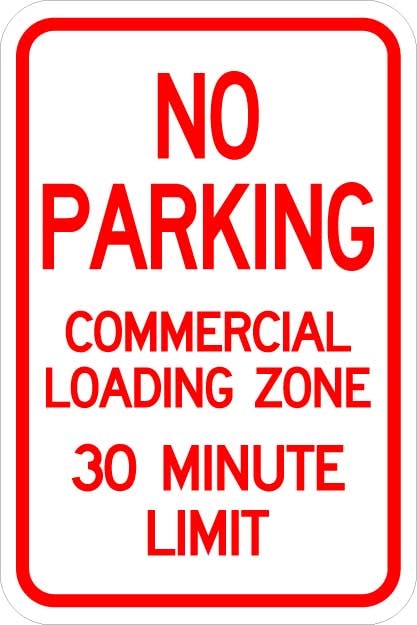
No Parking - Commercial Loading Zone | AR-214 | 12x18 to 36x36 | Delivery docks and designated loading areas | $21.95 |
No Parking Fire Lane | AR-222 | 12x18 to 18x24 | Fire lanes per fire marshal spacing requirements | $21.95 |
Reserved Handicap Parking Sign (Various States) | R7-8 | 12x18 to 18x24 | Parking locations with easy access to the entrance | $57.95 |
Speed Limit | R2-1 | 12x18 to 36x48 | Marks where a speed limit is changed and enforced | $21.95 |
End Work Zone Speed Limit | R2-12 | 24x36 | Transition point after construction phase ends | $69.95 |
Reduced Speed Limit Ahead Roll-Up | W3-5-RU | 36x36 to 48x48 | Active construction and grading phases | $44.55 |
Commercial Development Signs We Stock
 Parking & Loading Zone Signs
No Parking - Commercial Loading Zone Sign (AR-214)
$21.95 - $25.95
Shop on Trafficsigns.com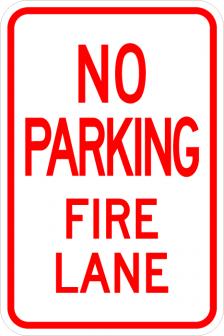 Fire Lane & Emergency Access Signs
No Parking Fire Lane Sign (AR-222)
$21.95 - $45.25
Shop on Trafficsigns.com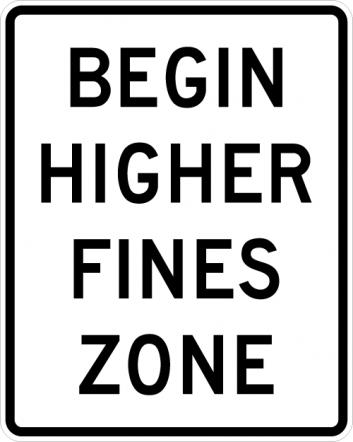 Regulatory Speed Signs
Begin Higher Fines Zone Sign (R2-10)
$57.95 - $195.50
Shop on Trafficsigns.com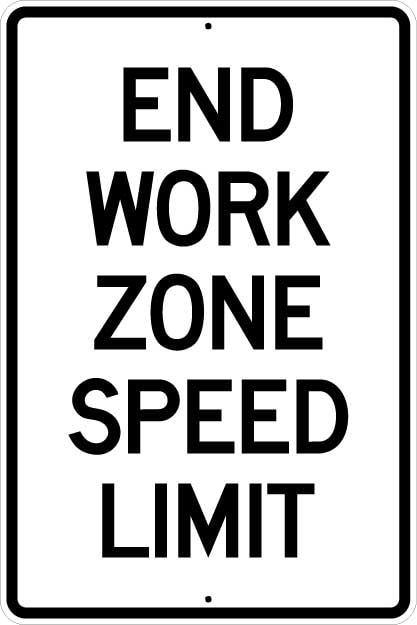 Construction & Transition Signs
End Work Zone Speed Limit Sign (R2-12)
$69.95 - $111.95
Shop on Trafficsigns.com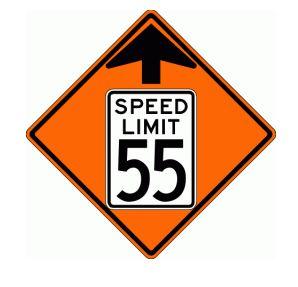 Construction & Work Zone Signs
Reduced Speed Limit Ahead Roll-Up Construction Sign (W3-5-RU)
$44.55 - $213.75
Shop on Trafficsigns.com Parking & Handicap Signs
Reserved Handicap Parking Sign (Various States) - R7-8
$21.95 - $58.25
Shop on Trafficsigns.comOutfit Your Commercial Development the Right Way, the First Time
Avoid inspection delays and costly change orders. Browse our full lineup of MUTCD-compliant regulatory signs, ADA parking signs, and fire lane signage built for new commercial construction, or start with our pre-configured compliance kit.
Shop Fire Lane & No Parking Sign Kit