
A practical buying guide for owners and managers outfitting a new site with signage
Opening a new property, whether it's a retail center, apartment complex, or industrial site, means dozens of decisions land on your desk at once. Signage is easy to push to the bottom of the list, but it's one of the first things that affects safety, liability, and how smoothly traffic moves through your lot. This guide breaks down which new property traffic signs to prioritize, what materials hold up best, and how to build a signage package that meets code from day one.
Common Questions From Property Owners Buying Signs
- Which traffic signs should a new property buy first?
- Start with the signs that address liability and legal exposure: private property and no trespassing signs, fire lane no parking signs, and any stop signs required at intersections or exits within your lot. These protect you from unauthorized use and keep emergency access clear, which are the two issues most likely to create problems if left unaddressed at opening.
- What material should I choose for outdoor property signs?
- Most private property and parking lot traffic signs are made from aluminum with reflective sheeting. Engineer grade reflective sheeting is a solid, budget-friendly option for lower-traffic areas. High intensity sheeting reflects more light and holds up better in high-traffic zones or areas with limited lighting. Diamond grade is the most reflective option and is typically chosen for high-speed roads or locations where nighttime visibility is critical.
- What size signs do I need for a parking lot or private drive?
- Sizing depends on viewing distance and posted speed. A 12x18 or 18x24 sign works well for pedestrian areas and low-speed private drives, while larger 24x18, 24x30, or 30x24 formats are better suited to open lots or roadways where drivers need more time to read and react. If you're outfitting a full site, our parking lot traffic signs guide walks through sizing by application.
- Do bulk orders get a lower per-sign price?
- Yes. Many of our signs are priced with quantity tiers, so ordering 4, 7, 16, or 50+ units drops the per-unit cost. This matters for new construction and multi-building properties where you may need the same sign, like a fire lane or no parking sign, installed at multiple entrances or curb cuts.
- How fast can I get signs installed before a property opens?
- Production and shipping timelines vary by product and material grade, but most reflective aluminum signs ship within a standard production window from order confirmation. If you're working against a hard opening date, order your compliance-critical signs (fire lanes, stop signs, accessible parking) first, then follow with directional and wayfinding signage.
- How are these signs mounted, and what hardware do I need?
- Standard signs come with pre-punched holes on standard blanks, ready to mount to U-channel posts, fences, or walls using bolts or brackets. Most property owners mount permanent signs like private property or no parking signs on posts set in concrete, while temporary construction-phase signage often uses roll-up or portable stands instead.
- Do these signs meet DOT and MUTCD standards?
- Our high intensity and diamond grade signs are manufactured to MUTCD specifications, which makes them the right choice for regulatory signs that public traffic will see, such as stop signs, speed limit signs, and pedestrian crossing signs. Engineer grade signs are a cost-effective option for low-speed private drives, interior lots, and pedestrian areas. Retroreflectivity requirements vary by state and local jurisdiction, so confirm what applies to your property before ordering signs for areas open to public travel.
Types of Signs Every New Property Needs
Boundary and liability signs come first for a reason. Private property, no trespassing, and management no responsibility signs establish legal boundaries before your first tenant or customer arrives. These signs deter unauthorized use and give you a documented basis for enforcement if someone disregards posted rules.
Parking regulation signs keep your lot functional from the start. No parking fire lane signs are non-negotiable if your site has a designated fire lane, since blocked access can trigger fines from your local fire marshal and puts emergency responders at risk. Loading zone signage matters just as much for retail and commercial sites that receive regular deliveries.
Traffic control signs, including stop signs and speed limit signs, apply anywhere your internal roadways have intersections, blind corners, or shared pedestrian and vehicle paths. Even on private property, posting these signs reduces collision risk and supports your case if an incident ever leads to a liability claim.
Pedestrian safety signs matter most for properties with foot traffic crossing vehicle lanes, such as apartment complexes, schools, and shopping centers. A pedestrian crossing stop sign placed at a crosswalk gives drivers a clear, unambiguous cue to yield.
Directional signs round out the package once the essentials are covered. These guide visitors to entrances, exits, and parking areas, reducing congestion and confusion during peak hours.
Site Planning: Sequencing Your Sign Order for New Construction
Once grading, paving, and striping are finished, move to permanent signage. Order fire lane and no parking signs first, since fire marshals often require them in place before final inspection. Follow with private property and no trespassing signage at entry points, then stop signs and speed limit signs at internal intersections. Pedestrian crossing and directional signs typically come last, once walkways and parking layouts are finalized and you can confirm exact placement.
Property managers overseeing multi-phase developments often bundle fire lane compliance into a single order. A fire lane no parking kit simplifies this step by grouping the signs most commonly required together, which is useful when you're coordinating an inspection deadline across several buildings.
Sign Material Comparison: Choosing the Right Reflective Grade
Reflective sheeting grade affects both visibility and price. Here's how the three most common options compare for new property signage.
| Material | Reflectivity | Best For | Relative Cost |
|---|---|---|---|
| Engineer Grade | Reflective | Low-speed private drives, pedestrian areas, interior lots | Lowest cost, best for budget-conscious orders |
| High Intensity | Very Reflective | High-traffic parking lots, poorly lit areas, commercial entrances | Mid-range cost, strong balance of visibility and price |
| Diamond Grade | Ultra Reflective | High-speed roadways, low-light or high-risk intersections | Highest cost, best long-term visibility performance |
Signs to Start Your Order With
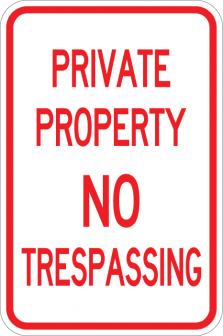
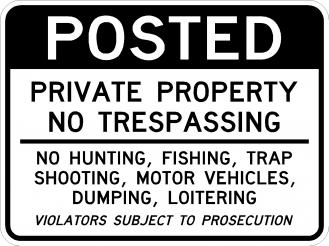 Private Property Signs
Private Property No Trespassing Sign
$21.95 - $72.45
Shop on Trafficsigns.com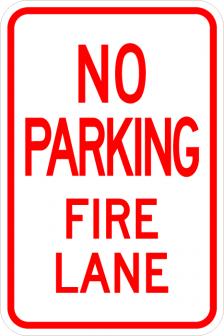
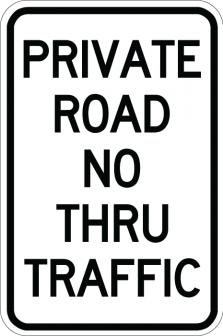
 Construction Warning Signs
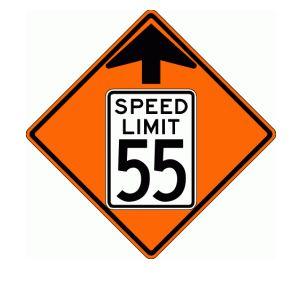
Reduced Speed Limit Ahead Roll-Up Construction Sign
$44.55 - $213.75
Shop on Trafficsigns.comBuild a Compliant Signage Package for Your Property
Getting the right traffic signs in place before opening day protects your property, your visitors, and your liability position. Browse our full lineup of parking lot traffic signs to build a complete order sized to your site.
Shop Parking Lot Traffic Signs