
Understanding jurisdiction, reporting steps, and replacement options for city streets, county roads, state highways, and private property
A missing traffic sign is more than an inconvenience. A vanished stop sign, a bent yield sign, or a faded street name marker can create confusion at intersections and increase the risk of a crash. Responsibility for traffic sign maintenance depends almost entirely on who owns the road. Public works departments handle city streets, county road crews maintain rural routes, and state departments of transportation are responsible for state highways and interstates. Private roads, parking lots, and HOA communities fall to the property owner or association. This guide breaks down who maintains traffic signs across each type of road, how to report a broken or missing sign, and what your options are if you need to order a road sign replacement yourself for private property.
Traffic Sign Replacement: Common Buyer Questions
- What materials hold up best for outdoor traffic sign replacement?
- Most replacement signs are printed on .080 aluminum with reflective sheeting in one of three grades: engineer grade for basic reflectivity, high intensity for stronger nighttime visibility, and diamond grade for maximum reflectivity in low-light or high-speed areas. Aluminum resists rust and warping, so signs like the County Highway Marker Sign hold their color and legibility through years of sun, rain, and temperature swings.
- What sizes are available for a road sign replacement?
- Standard sizes typically run from 12 inches by 18 inches up to 36 inches by 36 inches, depending on the sign type and MUTCD category. Regulatory signs such as the No U-Turn or Left Turn Sign come in multiple size tiers, from 18x18 up to 48x48, so you can match the original sign's dimensions or size up for better visibility on wider roads.
- Can I customize a replacement sign, or does it have to match a standard template?
- Public road signs generally need to follow MUTCD-compliant templates for legal recognition, so wording, symbols, and colors are standardized. Private property owners have more flexibility. Signs like Private Property No Trespassing or a Private Road No Thru Traffic sign can be adjusted for size and reflectivity grade while keeping the message clear and enforceable.
- Are there bulk discounts if I need to replace several damaged traffic signs at once?
- Yes. Most regulatory and county signage includes quantity price breaks, typically starting at 4 units and increasing at 7, 16, and 50 units. This makes it cost effective for public works departments, HOAs, or property managers replacing multiple broken traffic signs across a site or neighborhood in one order.
- How fast can a replacement sign be produced and shipped?
- Standard aluminum signs are typically produced and shipped within a few business days of order confirmation, since most sizes and reflective grades are stocked or made to standard specifications. If a sign has already gone missing and you need an interim safety measure, a temporary option like a Road Work Distance Sign can alert drivers while the permanent replacement is in transit.
- What's involved in mounting a new sign once it arrives?
- Nearly all traffic signs come with standard punched holes designed for U-channel posts, square tube posts, or existing sign hardware, so installation usually just requires bolts or brackets matching the existing post. No specialized tools are needed for a straightforward pole swap.
- How do I keep a new sign from fading or getting damaged again?
- Reflective sheeting is UV-stabilized, but periodic rinsing with water removes dirt and road grime that can dull reflectivity over time. Avoid abrasive cleaners, and check mounting bolts periodically since loose hardware is a common cause of signs coming down in wind or after vehicle contact.
Who Maintains Traffic Signs on Public Roads
Who Do I Call If a Stop Sign Is Missing?
Is Taking a Street Sign a Crime?
What Does 'No Traffic Sign' Mean at an Intersection?
Private Property, HOA, and Private Road Sign Responsibility
Who Maintains Traffic Signs by Road Type
Responsibility for traffic sign maintenance and how quickly a replacement gets installed depends on which authority owns the road. Here's a general breakdown of who to contact and what to expect.
| Road Type | Responsible Party | How to Report | Typical Response Time |
|---|---|---|---|
| City streets | City public works / transportation department | 311 system or city service request portal | Days to a few weeks |
| County roads | County roads or transportation division | County online reporting form or phone line | 1 to 4 weeks |
| State highways | State DOT | State DOT maintenance hotline or online form | Varies; higher-speed hazards prioritized |
| Private roads / HOA property | Property owner or homeowners association | Direct order and installation by owner | As fast as the owner orders and installs it |
| Parking lots / commercial property | Property manager or business owner | Internal maintenance request | Owner-controlled, typically days |
Replacement Signs for Public and Private Roads
Whether you're coordinating a county road sign replacement or handling private property signage as an HOA or business owner, these MUTCD-style and private-use signs are built for long-term outdoor durability.
 Regulatory & Traffic Control
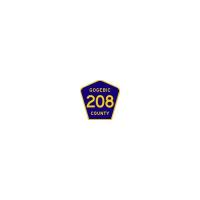
County Highway Marker Sign - M1-6
$52.35 - $195.50
Shop on Trafficsigns.com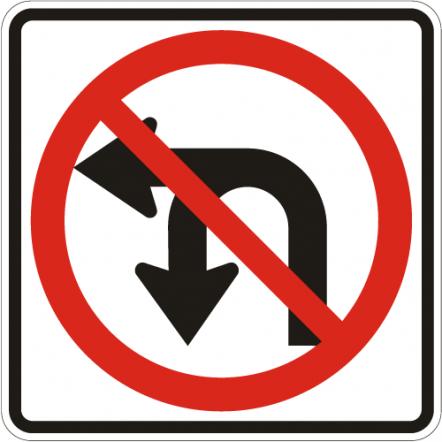 Regulatory & Traffic Control
No U-Turn or Left Turn Sign - R3-18
$34.15 - $256.95
Shop on Trafficsigns.com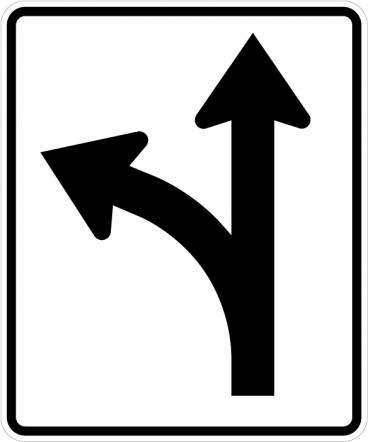 Regulatory & Traffic Control
Left Turn or Straight Sign - R3-6L
$57.95 - $123.75
Shop on Trafficsigns.com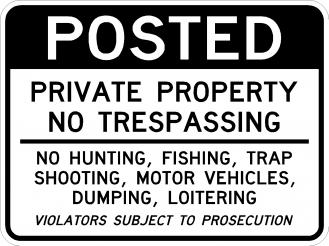 Private Property Signage
Private Property No Trespassing Sign - AR-246
$21.95 - $72.45
Shop on Trafficsigns.com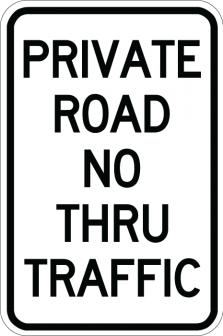 Private Property Signage
Private Road No Thru Traffic - AR-706
$21.95 - $45.25
Shop on Trafficsigns.comNeed to Replace a Missing or Damaged Traffic Sign?
Whether you're a public works crew restocking county route markers, an HOA board handling private road signage, or a property manager replacing a damaged parking sign, Trafficsigns.com stocks MUTCD-compliant regulatory signs and private property signage in engineer grade, high intensity, and diamond grade reflective options. Browse the full regulatory sign lineup and order replacements sized to match your existing posts.
Shop Regulatory Traffic Signs