
Understanding responsibility, liability, and best practices for private road traffic signs
Private road traffic signs occupy a gray area that trips up homeowners associations, commercial property managers, and individual landowners alike. Unlike public streets, where a city or county department of transportation installs and maintains every sign, private roads place that responsibility squarely on the property owner or governing association. This guide breaks down who owns private road signs, who is on the hook for maintaining them, and how to choose signage that holds up to weather, wear, and legal scrutiny.
Common Questions About Private Road Traffic Signs
- Who is legally responsible for maintaining traffic signs on a private road?
- The property owner, developer, or homeowners association that controls the private road is responsible for installing and maintaining its signage. Unlike public roads, no municipal department will replace a faded stop sign or straighten a bent post. If a resident or visitor is injured because a sign was missing, illegible, or improperly placed, the road owner can face liability, which is why most HOAs and commercial developments budget for regular sign inspections.
- Are private road signs enforceable by law enforcement?
- It depends on the sign and local statute. Regulatory-style signs like stop signs or speed limit signs on private property are often not enforceable by police unless the municipality has formally adopted the private road for traffic enforcement purposes, which some states allow through petition. However, signs like Private Property No Trespassing signs support civil trespassing claims and give property owners legal standing to remove unauthorized visitors, even without police enforcement of the sign itself.
- Does an HOA have to install private road signs, or can individual homeowners do it?
- Signage on shared private roads within a community is almost always the responsibility of the HOA, not individual homeowners, since the roads themselves are typically common-area property owned collectively by the association. Homeowners installing their own signs on shared roads can create liability confusion and inconsistent messaging. For community-wide entrances and thoroughfares, browse our private road signs use case page for HOA-appropriate options.
- What sign materials hold up best for private roads exposed to weather?
- Aluminum signs with reflective sheeting are the standard for outdoor private road applications. Engineer grade sheeting offers solid reflectivity for daytime and moderate low-light visibility at a lower price point, while high intensity sheeting delivers noticeably brighter nighttime performance for entrances with regular after-dark traffic. Diamond grade sheeting provides the strongest reflectivity and is worth the investment for commercial developments or longer sightlines where drivers need maximum advance notice.
- What size sign do I need for a private road or gated community entrance?
- For most residential private roads, a 12x18 or 18x24 sign is sufficient for close-range viewing at entrances and intersections. Larger commercial developments with higher speeds or longer approach distances often step up to 24x30 or 30x36 sizes for better legibility from a distance. Signs like Private Road No Thru Traffic are available in multiple sizes so you can match the sign to your road's traffic speed and viewing distance.
- How do I install a private road sign correctly so it stays compliant and visible?
- Mount signs at a consistent height, typically 5 to 7 feet from the ground to the bottom of the sign, on a sturdy post set in concrete or a compatible mounting bracket. Standard punched aluminum blanks are designed for quick attachment to U-channel posts or fence-mounted hardware. If you're setting up new posts or replacing damaged ones, check our sign blanks and mounting equipment for compatible hardware.
- Can commercial developments customize private road signage with their own branding?
- Standard regulatory and warning signs like Commercial Vehicles Excluded follow MUTCD formatting for legibility and legal consistency, but many commercial property managers pair them with separate branded wayfinding signage. Mixing custom branding directly into regulatory sign faces is generally discouraged since it can reduce recognizability and weaken the sign's enforceability in a dispute.
Road Ownership Determines Sign Responsibility
Common Types of Private Road Signs and Their Purpose
Maintenance Best Practices for Private Road Signs
Reflective Sheeting Grades for Private Road Signs
Choosing the right reflective sheeting grade affects how visible your sign remains at night and how long it lasts before fading. Here's how the three most common grades compare for private road and community applications.
| Grade | Reflectivity Level | Best For | Typical Application |
|---|---|---|---|
| Engineer Grade | Reflective, cost-effective baseline visibility | Daytime and moderate low-light conditions | Interior community roads, private property no trespass signage |
| High Intensity | Very reflective, strong nighttime performance | Roads with regular after-dark vehicle traffic | Gated community entrances, private road thoroughfares |
| Diamond Grade | Ultra reflective, maximum long-distance visibility | Higher-speed approaches and commercial traffic | Commercial development entrances, vehicle exclusion signage |
Private Road Traffic Signs Built for Ownership and Compliance
These signs are made from durable reflective aluminum and meet DOT and MUTCD standards, giving HOAs, commercial developments, and private landowners signage that holds up outdoors and supports enforcement of property rules.
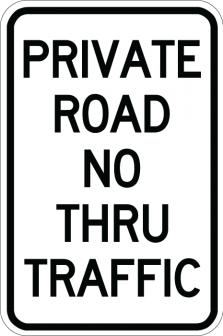 Private Road Signs
Private Road No Thru Traffic Sign - AR-706
$21.95 - $45.25
Shop on Trafficsigns.com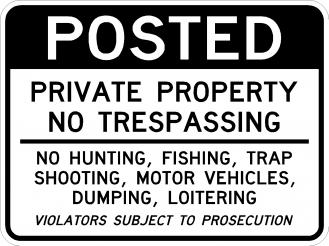 Private Property Signs
Private Property No Trespassing Sign - AR-246
$21.95 - $72.45
Shop on Trafficsigns.com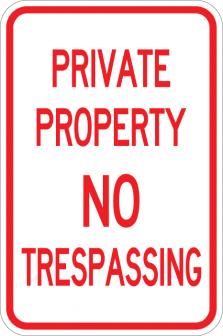 Private Property Signs
Private Property No Trespass - AR-119
$21.95 - $25.95
Shop on Trafficsigns.com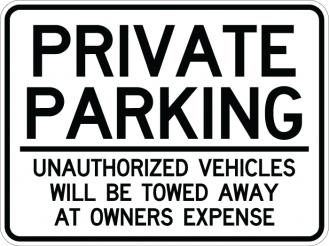 Parking Regulation Signs
Private Parking Unauthorized - AR-155
$33.25 - $45.25
Shop on Trafficsigns.com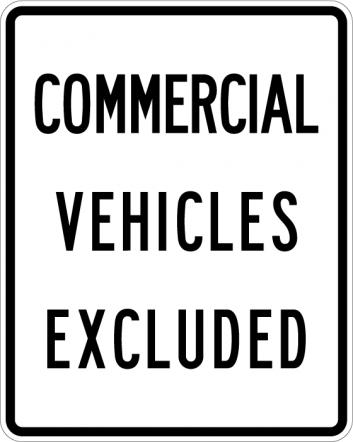 Traffic Control Signs
Commercial Vehicles Excluded Sign - R5-4
$33.25 - $195.50
Shop on Trafficsigns.comEquip Your Private Road with the Right Signage
Whether you're managing an HOA, overseeing a commercial development, or protecting your own private property, the right combination of regulatory and boundary signage reduces liability and keeps traffic under control. Shop our full selection of reflective, DOT and MUTCD compliant private road signs and order the sizes and grades that match your property's needs.
Shop Private Road Signs