
Understanding overhead traffic signs, guide sign standards, and when highway engineers choose overhead placement
Common Questions from Buyers of Overhead and Highway Signage
- What materials are overhead and highway traffic signs made from, and how durable are they?
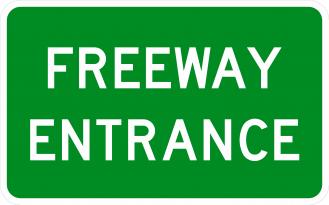
- Highway-grade signs like the Freeway Entrance Sign - D13-3 and County Highway Marker Sign - M1-6 are built on .080 aluminum blanks with reflective sheeting bonded to the surface. Three reflective grades are available: Engineer Grade for standard reflectivity, High Intensity for stronger nighttime visibility, and Diamond Grade for maximum reflectivity in low-light and high-speed corridors. Aluminum construction resists rust, warping, and fading, which matters for signs mounted high above the roadway where replacement access is limited.
- What sizes are available for freeway entrance and guide signs?
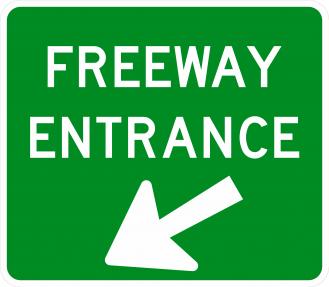
- The Freeway Entrance Sign - D13-3 and Freeway Entrance With Arrow Sign - D13-3a are produced at 72 inches tall with lengths from 3 feet up to 10 feet, matching typical overhead sign bridge and large post-mounted panel dimensions. Smaller highway signs, such as the County Highway Marker Sign - M1-6, are available in 24 inch and 36 inch square formats for roadside placement along a route.
- Can the legend or arrow direction be customized on freeway signs?
- Yes. Per MUTCD guidance, the FREEWAY ENTRANCE legend on the D13-3 series can be substituted with EXPRESSWAY, PARKWAY, or an unnumbered highway name, and the D13-3a version includes a downward diagonal arrow for ramps that require directional guidance. Let us know the legend and configuration you need when ordering.
- How is pricing structured, and are bulk discounts available?
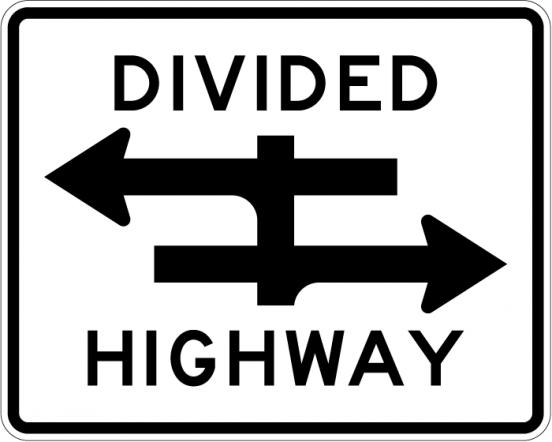
- Pricing scales with size and reflective grade. For example, the Divided Highway Crossing Sign - R6-3 starts at $33.25 in Engineer Grade at 24x18 inches and increases with size and reflectivity up to Diamond Grade at 36x30 inches. Most highway signs include volume tiers starting at 4 units, with additional price breaks at 7, 16, and 50 units, making bulk purchases for county or municipal projects more cost-effective per sign.
- How long does production and shipping take?
- Standard highway and guide signs are produced on aluminum blanks that are stocked and cut to order, so turnaround times are generally faster than custom fabricated overhead sign panels. Larger freeway entrance signs and multi-foot panels may require slightly longer lead times due to their size. Reach out with your quantity and specs for an accurate production estimate.
- What's needed to mount a sign overhead versus on a roadside post?
- Roadside signs like the Divided Highway Crossing Sign - R6-3 or County Highway Marker Sign - M1-6 mount to standard U-channel or square posts using the 3/8 inch prepunched holes on the sign face. True overhead placement, such as on a sign bridge, cantilever arm, or bridge structure, requires engineered mounting brackets and structural support that should be specified by a licensed traffic engineer or your local DOT, since overhead structures carry different load and wind requirements than post-mounted signage.
- How should highway signs be cared for after installation?
- Reflective sheeting performs best when kept free of dirt, grime, and road salt buildup. Periodic rinsing with water and a mild detergent helps maintain reflectivity, especially on High Intensity and Diamond Grade signs where nighttime visibility is critical. Avoid abrasive cleaners that can scratch the reflective surface, and inspect mounting hardware annually for corrosion or loosening, particularly on signs exposed to highway vibration and weather extremes.
Why Traffic Engineers Mount Signs Overhead
Traffic Sign Categories and Where Overhead Signs Fit In
Common Applications for Overhead and Highway Signage
Overhead and Highway Sign Types Compared
Not every highway sign is mounted overhead, and the right choice depends on the message, the approach speed, and the number of lanes it needs to serve. Here's how the most common overhead-adjacent sign types compare in typical mounting, sizing, and application.
| Sign Type | Typical Mounting | Common Sizes | Best Application | Example Sign |
|---|---|---|---|---|
| Freeway Entrance Guide Sign | Sign bridge or large roadside post at ramp entry | 72" tall x 3 ft to 10 ft long | Directing traffic onto a freeway, expressway, or parkway | Freeway Entrance Sign - D13-3 |
| Freeway Entrance With Arrow | Sign bridge or large roadside post at ramp entry | 48" x 72" up to 72" x 10 ft | Same use as above, with directional arrow for angled ramps | Freeway Entrance With Arrow Sign - D13-3a |
| County or Route Highway Marker | Roadside post, sometimes elevated near interchanges | 24" and 36" square | Confirming route number along a highway corridor | County Highway Marker Sign - M1-6 |
| Divided Highway Crossing | Roadside post near median openings and crossovers | 24x18 up to 36x30 inches | Warning drivers of a crossing point on a divided highway | Divided Highway Crossing Sign - R6-3 |
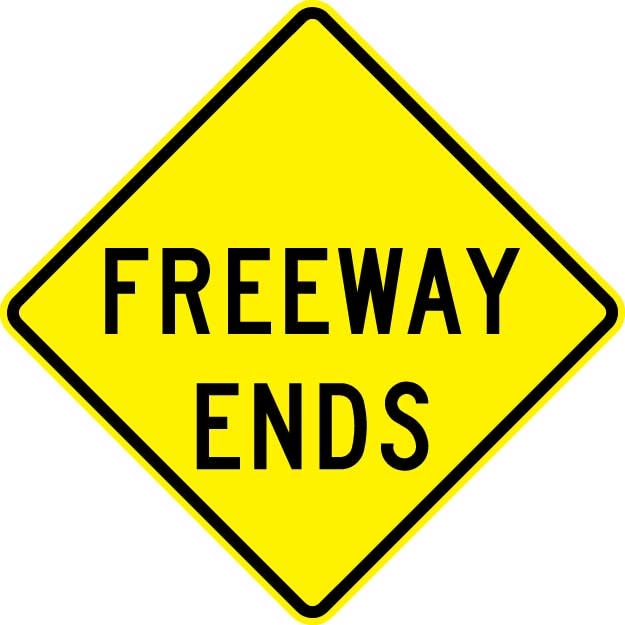
| Freeway Termination Warning | Roadside post ahead of freeway end point | 24" up to 48" square | Alerting drivers that freeway conditions are ending | Freeway Ends Sign - W19-3 |
Highway and Freeway Signage for Overhead and Roadside Placement
The signs below cover the most common overhead-adjacent applications on highways and freeways, from ramp entrances to route confirmation and crossing warnings. Each is available in Engineer Grade, High Intensity, or Diamond Grade reflective sheeting to match your project's visibility and DOT compliance requirements.
Specify the Right Guide and Highway Signage for Your Project
Whether you're planning a freeway ramp, a county route confirmation program, or a divided highway crossing upgrade, our team can help you match the correct MUTCD-compliant sign, reflective grade, and size to your roadway design requirements. Browse our full selection of guide signs and highway traffic signs to get started.
Shop Guide Signs