
Installation Guidelines and Best Practices for Combining Signage on a Single Support
Common Questions About Mounting Multiple Signs on One Post
- Can multiple traffic signs be legally mounted on one post?
- Yes, as long as the installation follows Manual on Uniform Traffic Control Devices (MUTCD) guidelines. Signs must be arranged in a specific priority order (regulatory signs above warning signs, with guide signs typically mounted separately), maintain proper vertical spacing, and preserve minimum mounting height requirements for driver sightlines. Most agencies limit stacking to two or three signs per post to prevent sign clutter and maintain readability.
- What is sign clutter, and how does it affect multi-sign installations?
- Sign clutter refers to an overcrowding of signage in one location, which forces drivers to process too much information at once and can obscure critical regulatory or warning messages. When mounting multiple traffic signs on one post, spacing them appropriately and limiting the total count helps prevent clutter and keeps the most important message, usually the top sign, clearly visible from a safe distance.
- Is it illegal to post signs on street signs?
- In most municipalities, yes. Attaching unofficial signage, banners, flyers, or advertisements to official street name signs or traffic control posts is prohibited because it can obstruct visibility, violate right-of-way ordinances, and create liability for the property or municipality. Only authorized signage installed according to MUTCD standards should share a post with a street name or regulatory sign.
- What is a dual traffic sign setup?
- A dual traffic sign, sometimes called a two-way or double-sided mounting, refers to two signs installed back-to-back or side-by-side on the same post so the message is visible from both directions of travel. This is common with street name signs and stop-ahead warnings on two-way roads, and it requires hardware rated for double-sided use, such as a TS bracket for channel post.
- What hardware do I need to mount two or more signs on one post?
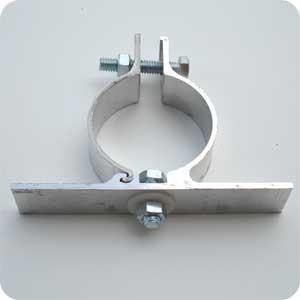
- The hardware depends on your post type. U-channel posts typically use bolt-through brackets, while round tubular posts require post clamps sized to the post diameter. Square posts use dedicated street name brackets designed to interlock multiple plates at different angles. Always match the bracket style to your post profile to avoid loose or misaligned signage.
- How much vertical spacing is required between stacked signs on one post?
- MUTCD guidance generally recommends a minimum gap between sign panels to preserve visual separation and avoid confusion between messages. Spacing varies by sign category and jurisdiction, so it's important to check your state supplement to the MUTCD for exact clearances before finalizing an installation plan.
- Are breakaway posts required when mounting multiple signs?
- Breakaway posts are required on many roadside installations, particularly near travel lanes with higher speed limits, because they reduce impact severity in a vehicle collision. Products like the tubular posts breakaway system or break-away hardware for U-channel posts allow multiple signs to be mounted while still meeting crash-safety requirements.
MUTCD Guidelines for Mounting Multiple Signs on One Post
Choosing the Right Post and Bracket for Multiple Sign Mounting
Traffic Sign Categories and Avoiding Sign Clutter on Shared Posts
Sign Post and Mounting Options Compared
Choosing the right post and hardware combination depends on how many signs you need to mount, the post material, and whether breakaway compliance is required. Here's how the main options compare for multi-sign installations.
| Mounting Option | Best For | Typical Sign Capacity | Breakaway Compliant |
|---|---|---|---|
| U-channel post with break-away hardware | Roadside regulatory and warning signage near travel lanes | 2-3 signs with proper bracket spacing | Yes |
| Square sign post (1 3/4" or 2") with street name bracket | Street name signs and double-sided directional signage | 2 signs per bracket (double-sided) | Depends on base and location |
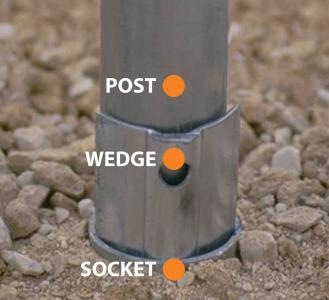
| Tubular breakaway post socket system | Small roadside signs installed without digging or concrete | 1-2 signs | Yes, by design |
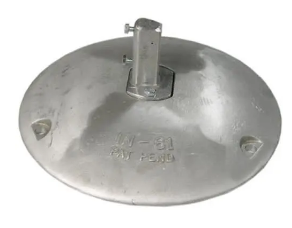
| Pedestal base and standard | Temporary or permanent parking and directional signage | 1-3 signs depending on panel size | No, not rated for high-speed roadside use |
| Fence sign mounting hardware | Attaching signage to existing fencing instead of a post | 1 sign per hardware set | Not applicable |
Hardware for Mounting Multiple Signs on One Post
The right combination of posts, brackets, and clamps makes it possible to mount multiple signs securely while staying within MUTCD sign placement guidelines. Here are the core products for building a compliant multi-sign installation.
 Posts and Hardware
Post Clamps 2-3/8 inch for one sign (PPB-12)
$8.87 - $9.85
Shop on Trafficsigns.com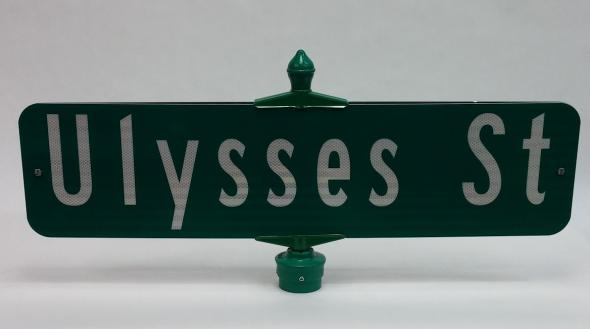
 Posts and Hardware
Tubular Posts Breakaway System (RPORZPOZLOCSW)
$57.74 - $64.15
Shop on Trafficsigns.com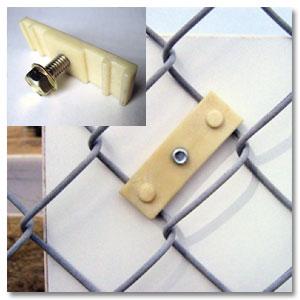
Get the Right Hardware for Your Multi-Sign Installation
From breakaway posts to street name brackets and post clamps, Trafficsigns.com carries the hardware needed to mount multiple traffic signs on one post safely and in compliance with MUTCD standards. Browse the full selection to find the right fit for your roadway, parking facility, or municipal project.
Shop Posts and Hardware